
Turn Every Receipt Into Cash Back With These Apps
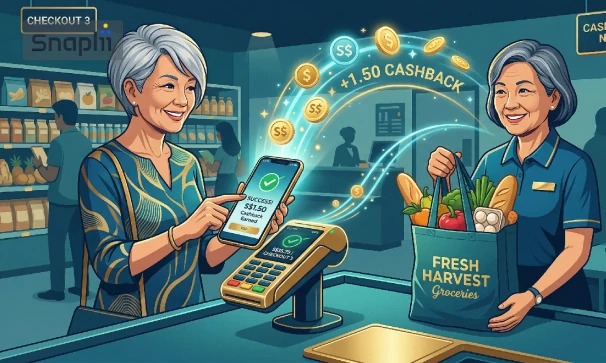
Understanding Receipt-Based Cashback Models
Receipt scanning sounds simple: take a photo, earn money. The reality involves several distinct mechanisms that determine how much you earn and when you see rewards.
Receipt-based cashback operates on a fundamental principle: the app verifies your purchase actually happened, then credits your account with a reward. This verification serves a critical purpose. It prevents fraud. A screenshot of a receipt, a duplicate submission, or a fabricated image could drain profits if unchecked.
How Manual Receipt Scanning Works
The core process begins before your store visit. You open the app and browse available offers from partner brands. These offers typically show the product, the cashback amount, and any purchase requirements. You select offers that match your shopping list. After purchasing, you open your phone and snap a photo of the receipt.
The app analyzes the image using optical character recognition (OCR) technology. It extracts merchant name, date, items purchased, and totals. Then it cross-references your receipt against the offers you pre-selected. If the items on your receipt match the products in the available offers, the app credits your account with the corresponding reward.
The entire process takes five to ten minutes per trip, but you only need to scan once per shopping visit regardless of how many items you bought.
Receipt Verification and Wait Times
Here's where patience becomes essential. The app doesn't immediately credit your account. Verification involves multiple steps:
- Optical scanning confirms the receipt is readable and authentic
- Database matching verifies the merchant exists and the transaction amount is reasonable
- Fraud detection algorithms flag suspicious patterns (multiple identical receipts, impossible quantity purchases, rejected transactions)
- Retailer confirmation sometimes requires direct communication with the store to validate the transaction
This multi-step verification typically requires 24 to 72 hours. Some apps process faster (24-48 hours), while others take a full week. A small percentage of apps require up to 30 days if they wait for retailer confirmation or conduct additional fraud checks.
The wait isn't random. Apps build delays into their systems intentionally. Fraudsters want instant gratification. They submit fake receipts and withdraw rewards immediately. By requiring verification delays, apps filter out the vast majority of scam attempts.
The Manual Effort Factor
Receipt scanning isn't passive income. It's micro-work disguised as passive income. You must remember to photograph receipts before throwing them away. You must categorize purchases correctly. You must keep track of which offers you've already claimed. Users who stop taking photos after three weeks earn nothing.
This friction is the model's primary advantage: serious users who consistently scan receipts earn more than casual users. It attracts committed customers who view their receipt savings as a monthly savings goal, similar to meal planning or coupon hunting.
Card-Linked Cashback Versus Manual Scanning
The opposite model eliminates all friction: card-linking. You connect your debit or credit card to the app. From that moment forward, every purchase on that card generates potential rewards. The app monitors your transactions automatically.
Card-linked systems require zero additional effort. You shop normally. The app silently credits rewards to your account. Notification arrives within hours or minutes.
The tradeoff: you only earn rewards on pre-negotiated partnerships. If you buy from retailers the app hasn't partnered with, you earn nothing. Your earning potential depends entirely on the app's retail network.
Manual scanning offers the inverse arrangement. You earn on any purchase from any store, but only if you photograph the receipt and submit it within the submission window (typically 14-30 days).
Pros of Manual Scanning
- Earn rewards from any retailer, anywhere
- No data sharing with third parties (payment networks see no data)
- Higher privacy protection (the app sees receipts, not transaction data)
- Flexibility to choose which purchases to claim
Cons of Manual Scanning
- Requires consistent effort and discipline
- Submission windows demand timely submission
- Verification delays postpone reward availability
- Easy to abandon after initial enthusiasm wanes
Pros of Card-Linking
- Completely hands-off automation
- Instant or near-instant reward crediting
- No memory required, no deadlines to miss
- Consistent earning with zero friction
Cons of Card-Linking
- Limited to app's retail partnerships
- Full transaction data shared with third parties
- Privacy concerns around payment monitoring
- Dependence on single provider's network
Offer-Based Models and Bonus Rewards
Some apps operate exclusively on offer-based cashback: you must select an offer before purchasing to earn the reward. This differs from post-purchase scanning with no pre-selection.
Offer-based apps require you to commit to a purchase before you actually make it. The app displays available offers from partner brands. You claim the offer by tapping a button. Then you purchase the product within a specified timeframe (usually 14 days). The app matches your receipt to the claimed offer and credits your account.
The advantage: higher reward amounts. Apps that require pre-planning often credit $0.50 to $5.00 per transaction because they've verified consumer intent before purchase. Users who claim offers are more likely to follow through, reducing fraud and bad debt.
Apps that accept any receipt without prior selection typically pay lower amounts ($0.01 to $0.25 per receipt) because they're capturing data on impulse purchases, promotional spending, and general shopping patterns.
Pre-selection also enables tiered rewards. First-time claimants of an offer might receive $1.00 cashback. Repeat purchasers on subsequent claims might receive $0.50. This structure incentivizes repeated engagement with popular brands.
The Psychology Behind Pre-Selection
When you claim an offer before shopping, you create a psychological commitment. You're more likely to follow through on a purchase once you've mentally committed to earning the reward. This changes shopping behavior subtly but measurably.
Apps benefit because they capture the data they promised to brand partners. Brands pay apps premium rates for confirmed purchase data. Users benefit because they earn higher rewards per transaction but invest more planning time.
Gift-Card-Based Rewards Systems
Not all receipt apps dispense cashback as direct payments. Many use gift-card conversion systems where earned rewards transform into digital gift cards from partner retailers.
Gift-card models operate on a simple premise: you accumulate points or credits in-app. Once you reach a redemption threshold (often 500-1000 points), you convert those credits into a gift card. The cards work with partner retailers, or sometimes with broad networks like a major online retailer.
Why Apps Use Gift Cards
Gift cards serve multiple purposes for the app:
- Reduced payment processing fees (gift cards bypass payment processors like PayPal)
- Customer retention (users keep using the app to accumulate card balance)
- Partnership revenue (retailers pay to distribute gift cards to loyal customers)
- Lower fraud exposure (gifted value is harder to double-spend than cash)
From a user perspective, gift-card cashback raises an important question: is it truly cashback, or is it a discount mechanism wearing a different label?
True cashback implies you can withdraw funds to a bank account or use them freely anywhere. Gift-card systems restrict where you spend the accumulated value. Snaplii Cash cannot be withdrawn to a bank account. You earn rewards on a shirt purchase at any retailer, but you can only redeem that reward as a national retail chain gift card.
Users who already shop at those partner retailers benefit significantly. Users who don't lose earning potential. This model works best for heavy users of the app's retail network.
Snaplii: Instant Gift-Card Cashback From 500+ Partners
Snaplii transforms your receipts into immediate rewards across 500+ brand partners. Unlike apps that make you wait days for verification or restrict you to specific retailers, Snaplii converts your qualifying purchase into a gift card instantly.
Every eligible receipt earns 5-12% cashback, typical for receipt-based platforms but deployed immediately without extended verification delays. Snaplii works anywhere in North America and accepts all payment methods: WeChat Pay, Alipay, debit cards, and credit cards.
Snaplii Cash and Redemption
Snaplii rewards accumulate as Snaplii Cash in your account. This balance applies directly to future gift card purchases within the Snaplii ecosystem. Think of it as a running discount on the gift cards you purchase anyway. You cannot withdraw Snaplii Cash to a bank account, but you can spend it on thousands of available gift cards.
This restriction differs from traditional cashback apps, but it connects to a simpler redemption philosophy: earn rewards instantly and spend them instantly on items you want. You skip the bank transfer fees, payment processor delays, and tax documentation that comes with true cash disbursement.
Snaplii FAQs
Q: How long until my Snaplii Cash appears in my account? Your Snaplii Cash posts immediately after we verify your receipt. You can use it on gift card purchases right away. Unlike other apps, you're never waiting days or weeks for verification.
Q: Is there a time limit on Snaplii Cash rewards? No. Your Snaplii Cash balance remains active indefinitely. You never lose earned rewards due to inactivity or time passing.
Q: Can I use Snaplii Cash for any purchase? Snaplii Cash applies to gift card purchases only. We offer 500+ partner brands, so your redemption options are extensive. You cannot withdraw cash to a bank account.
Q: Which payment methods does Snaplii accept for submissions? Snaplii works with receipts from purchases made with any payment method: credit cards, debit cards, WeChat Pay, Alipay, and cash payments. The payment method doesn't affect your cashback eligibility.
Q: How do I start earning with Snaplii? Download the app, take a photo of a qualifying receipt, and Snaplii Cash posts immediately. That's it.
Make Every Receipt Worthwhile Today
Receipt-based cashback apps have evolved from novelties into legitimate money-saving tools when used consistently. The key differentiator is understanding which model matches your shopping habits.
If you shop at specific retailers regularly and want zero friction, card-linking apps deliver. If you want flexibility to earn rewards anywhere, manual scanning apps accommodate. If you want immediate gift card cashback without delays, Snaplii provides instant redemption.
The highest earners don't choose one app. They use multiple apps simultaneously, stacking rewards on top of credit card benefits, loyalty programs, and bulk discounts. A $100 grocery receipt becomes $100 of purchases plus $5-12 in cashback plus credit card rewards.
Stop treating receipts as trash. They're temporary currency. Convert them into actual value starting today.