
Best Shopping Rewards Programs: Evaluate Real Value Today
Types of Shopping Rewards Programs and How They Work
Shopping rewards programs fall into several distinct categories, each designed to incentivize purchases in different ways. Understanding these categories helps you recognize what you're getting into before you commit.
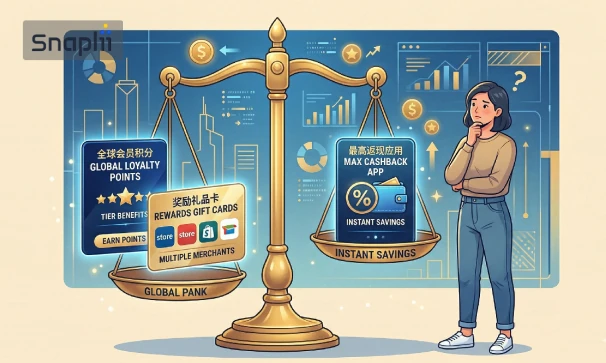
Loyalty points programs are the traditional model where you earn points for purchases at specific retailers or within their networks. Each dollar typically earns one point, and points accumulate toward tiered rewards like discounts, free products, or exclusive access. These programs work best if you concentrate your spending at particular brands or stores.
Cashback apps operate on a different principle entirely. Rather than earning points redeemable only with partner stores, these apps return a percentage of your purchase directly or as account credit. Some cashback apps focus on receipt scanning after purchase, while others link to your accounts for automatic tracking. The simplicity appeals to many shoppers because the value is immediately clear: a 5 percent cashback app returns five cents on every dollar spent.
Browser extensions represent another category that operates at the point of online checkout. These tools automatically apply coupon codes or capture cashback offers without requiring you to remember promotional details. They work silently in the background while you shop.
Gift card platforms like Snaplii focus on discount gift card purchasing, letting you buy discounted gift cards from over 500 brands and earn cashback in the process. This model works if you already plan to buy gift cards or shop at specific retailers.
Each category serves different shopping patterns, so the right program depends entirely on how and where you actually spend money.
What Makes a Program Worth Joining
Beyond understanding the mechanics, you need clear criteria for evaluating whether a program merits your signup effort. A genuinely worthwhile program demonstrates several key characteristics that separate valuable offerings from marketing theater.
The first criterion is attainability. The rewards you're promised must feel achievable within a reasonable timeframe based on your actual spending. Research shows that customers lose interest when the path to the first reward feels too distant or unclear. If a program requires you to spend one thousand dollars to unlock your first five dollar reward, the effort likely outweighs the benefit. Good programs structure their initial rewards close enough that you see value within your first few shopping sessions.
Simplicity matters significantly. Programs that require complex calculations, multiple steps to track earnings, or confusing redemption rules create friction that most shoppers find frustrating. The best programs let you understand exactly what you earn and how to use it without consulting terms and conditions repeatedly. You shouldn't need a spreadsheet to know whether a program is working for you.
Relevance to your actual shopping behavior is critical. A loyalty program for a store where you shop three times yearly won't deliver meaningful value, no matter how generous the rewards percentage appears on paper. The program must align with places you already spend money regularly or introduce you to new shopping habits you genuinely want.
Flexibility in redemption options increases value substantially. Programs offering multiple ways to use your rewards, like cashback to a card, gift cards, or merchandise, serve more people effectively than programs that force you into a single redemption method.
Finally, the absence of friction in the earning process matters. Programs that make earning feel like extra work, whether through complicated app interfaces or required actions beyond shopping, lose members quickly. The best programs reward your normal shopping behavior without asking you to change your habits.
Red Flags That Indicate Limited Real Value
Certain program characteristics consistently signal that rewards won't deliver meaningful value despite attractive marketing claims. Learning to spot these red flags saves you from wasting time on programs designed more to capture data than to reward customers.
Unrealistic reward percentages should trigger skepticism. If a program promises significantly higher cashback or points than competitors in the same category, investigate how they sustain those rates. Sometimes high percentages apply only to limited categories, require minimum purchase thresholds, or are available only during promotional periods. Legitimate programs usually offer competitive but realistic returns that make business sense.
Annual fees without clear offsetting benefits represent another red flag. Some programs charge membership fees claiming superior rewards, but the additional rewards rarely exceed the annual cost for typical shoppers. Calculate whether the program pays for itself based on your expected annual spending before committing.
Vague or hidden terms about time limits, caps, or restrictions indicate problems. Reading fine print shouldn't require legal expertise. If a program's terms feel deliberately confusing or buried, that's a sign the company is betting you won't understand what you've agreed to.
Programs with deliberately low visibility around redemption requirements signal issues. If the company avoids clearly stating how much you need to earn before you can cash out or use your rewards, be cautious. Transparent programs prominently display this information because they're confident in the value they offer.
Requirements to make additional purchases or take specific actions beyond your normal shopping to earn rewards are warning signs. Rewards should attach to shopping behavior you're already doing, not incentivize unnatural purchases designed mainly to boost program metrics.
How to Evaluate Real Value Versus Marketing Hype
Calculating the genuine value of a rewards program requires honest math based on your actual behavior, not the program's marketing claims. This evaluation process is straightforward once you know what to measure.
First, identify your average annual spending in the categories where the program operates. If you're evaluating a cashback app, calculate how much you actually spend across all eligible retailers per year. For a store loyalty program, multiply your average monthly spend by twelve. This number forms your baseline.
Next, calculate what the program promises in dollar value. A 5 percent cashback app on an annual spend of two thousand dollars returns one hundred dollars yearly. A loyalty program offering 5 points per dollar on five hundred dollars in annual spending generates 2500 points, which you then need to convert to dollar value. Check the program's terms to understand how points translate to actual money or products.
Then account for your effort investment. How much time will earning and redeeming rewards consume? Some programs require active management, while others work passively in the background. Assign an honest time cost to effort, particularly for programs requiring receipt scanning, offer activation, or regular engagement.
Finally, compare the net value (rewards earned minus effort investment) against alternative uses of your time and effort. A program returning fifty dollars annually after accounting for time investment might not be worth your membership if you could earn fifty dollars elsewhere with less friction.
Worthwhile programs typically deliver value that feels obvious and requires minimal effort to capture. If you find yourself having to convince yourself that a program's value justifies your participation, it probably doesn't.
Snaplii: Gift Card Rewards Built for North American Shoppers
Snaplii operates in a focused niche of the broader rewards ecosystem, offering a specific solution to a common shopping problem. With over 500 brand partners and headquarters in Canada, Snaplii specializes in helping shoppers access discounted gift cards while earning cashback rewards.
The Snaplii model works like this: You purchase a gift card from a major brand through Snaplii at a discount, and you earn 5 to 12 percent cashback on that purchase. Snaplii Cash accumulates in your account for future gift card purchases, which means you save money on gifts while building credits toward your next purchase. The platform accepts WeChat Pay, Alipay, debit, and credit cards, making it accessible to diverse customer bases across North America.
This approach differs from traditional shopping rewards because it focuses on a specific purchase behavior (buying gift cards) rather than attempting to be a universal shopping reward platform. That specialization makes sense if you regularly purchase gifts or shop at retailers available through Snaplii's partner network.
Snaplii Rewards Program FAQ
Q: How much can I typically save using Snaplii?
A: Snaplii's 5 to 12 percent cashback range means that a fifty dollar gift card purchase could return two dollars fifty cents to seven dollars fifty cents in Snaplii Cash. The exact percentage depends on the brand and current promotions. Over a year, if you purchase three hundred dollars in gift cards, you'd earn fifteen to thirty six dollars in rewards.
Q: Is Snaplii Cash like regular cashback that I can withdraw to my bank account?
A: No, Snaplii Cash is specifically designed for future gift card purchases on the platform and cannot be withdrawn to your bank account. This distinction matters for your evaluation: you're not earning flexible cash back, but rather credits toward additional gift card purchases. The value only materializes if you plan to buy more gift cards.
Q: What makes Snaplii worth joining if I don't buy gift cards regularly?
A: Snaplii appeals most to shoppers who already buy gift cards as a normal part of their spending, whether for holidays, birthdays, or corporate gifting. If gift card purchases are minimal in your annual spending, the program delivers limited value. However, if you budget for regular gifts, Snaplii's cashback transforms those purchases into both a gift and a reward for future shopping.
Q: Which payment methods does Snaplii accept?
A: Snaplii accepts WeChat Pay, Alipay, debit cards, and credit cards, making it accessible to a wide range of payment preferences. This flexibility matters if you maintain different payment methods or prefer specific digital wallets.
Q: Is there a time limit on Snaplii Cash rewards?
A: No, Snaplii Cash rewards remain available indefinitely for future gift card purchases, so there's no pressure to use your rewards within a specific timeframe. This flexibility allows you to accumulate credits over time without worrying about losing rewards to any deadline restrictions.
Finding the Right Rewards Program Combination for Your Shopping
The most valuable approach to shopping rewards isn't joining a single program, but rather strategically selecting programs that align with your actual spending patterns. A cashback app for your everyday groceries, a loyalty program with your preferred online retailer, and a gift card platform for planned purchases creates a layered approach that captures value across your entire shopping life.
The best shopping rewards program to sign up for is one that requires minimal effort, delivers transparent value, and matches where you already spend money. Before committing, ask yourself: Does this program address how I actually shop? Will I remember to use it? Do the rewards feel genuinely worth capturing? If you answer yes to all three questions, you've likely found a program worth your signup time.
Evaluate each option thoroughly rather than collecting memberships out of habit or fear of missing out. The real reward comes from the programs you'll actually use, not from building an impressive list of unused apps and accounts.