
How Does Cashback Work for Online Shopping?
Quick Answer
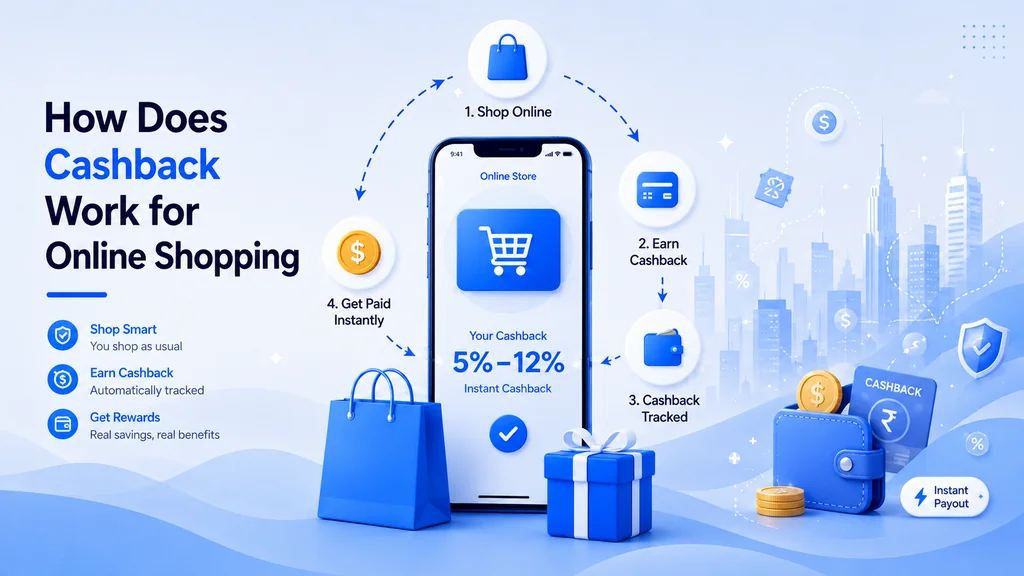
Online shopping cashback gives shoppers reward value when they make an eligible purchase through a qualifying method. The simplest way to understand it is this: you buy something you already planned to buy, and part of that purchase value comes back as a reward.
Not every online cashback model works the same way. Some cashback paths depend on tracking, confirmation, or account rules, so the reward may not feel immediate. E-gift card cashback is easier for many shoppers to understand because the shopper can check the available rate before buying an eligible e-gift card for a planned purchase.
The key is not to shop more. The key is to make planned online shopping more intentional: build the cart first, estimate the amount, choose a qualifying payment route only when it fits, and avoid extra items just because a reward is available.
A Sunday Grocery Order
Imagine a family that places an online grocery order every Sunday evening.
Before opening the grocery app, they already know what the week looks like. School lunches need snacks. Breakfast items are running low. Cleaning wipes are almost finished. Someone added shampoo to the list. The cart usually lands around $140 to $160.
This is where cashback can fit naturally.
The shopper is not browsing for a deal first. They are starting with a real list. Once the cart is built, they can estimate the total and check whether an eligible e-gift card fits the purchase.
| Weekly grocery moment | Example |
|---|---|
| Planned grocery order | $150 |
| Example cashback rate | 6% |
| Potential reward value | $9 |
| If repeated 4 times a month | $36 |
The family still buys the groceries they needed. The difference is that the payment path creates reward value.
This is a strong cashback use case because grocery spending is predictable. The shopper can plan the amount, avoid extra items, and repeat the habit each week.
Moving Week
Now think about someone who just moved into a first apartment in the US or Canada.
The first few days are expensive. They need paper towels, dish soap, trash bags, bedding, towels, basic groceries, bathroom items, and maybe a few kitchen tools. None of these purchases feel exciting, but they are necessary.
Without a plan, the shopper may place several rushed online orders and lose track of the total.
A better approach is to split the move-in list by timing:
- first night: bedding, towels, bathroom basics
- first grocery run: pantry basics, breakfast food, cleaning supplies
- first week: kitchen tools, storage, laundry items
- second week: anything missing after living in the space
Once the list is grouped, cashback becomes easier to use. The shopper can check eligible e-gift card options for each planned order instead of buying everything at once without a budget.
| Move-in purchase group | Planned spend | Example cashback rate | Potential reward value |
|---|---|---|---|
| Groceries and pantry basics | $220 | 5% | $11 |
| Cleaning supplies | $90 | 8% | $7.20 |
| Bedding and towels | $200 | 7% | $14 |
| Kitchen basics | $160 | 8% | $12.80 |
| Personal care items | $70 | 6% | $4.20 |
In this scene, cashback does not make the move cheap. It simply helps the shopper recover value from purchases they had to make anyway.
A Busy Workday Lunch
Cashback also shows up in smaller routines.
Picture someone working downtown three days a week. On busy days, they may buy coffee in the morning, lunch near the office, or dinner delivery after a late meeting. None of these purchases looks large on its own, but the monthly total can surprise people.
The mistake is using cashback as permission to order more often.
A better routine starts with a cap. For example, the shopper decides they will spend no more than $180 this month on dining, coffee, and delivery. Then they use cashback only inside that limit.
| Monthly dining routine | Example |
|---|---|
| Planned dining and coffee budget | $180 |
| Example cashback rate | 8% |
| Potential reward value | $14.40 |
This works because the reward follows the budget. The shopper is not adding extra delivery orders to earn cashback. They are using cashback on the orders they already planned.
Student Essentials
For a student or new graduate, cashback needs to be even more practical.
A student may not make large purchases, but they do repeat the same spending categories: groceries, personal care, simple household items, occasional coffee, and seasonal basics.
A realistic monthly plan might look like this:
| Student category | Monthly plan | Better cashback habit |
|---|---|---|
| Groceries | $220 | Use cashback only for planned grocery orders |
| Personal care | $60 | Restock what is needed, not what is promoted |
| Household basics | $70 | Match the e-gift card amount to the list |
| Dining and coffee | $90 | Set the limit before checking offers |
The most important rule for this shopper is simple: if the item was not already part of the budget, cashback should not be the reason to buy it.
Seasonal Shopping
Some shopping is not weekly, but it is still predictable.
Back-to-school season, winter preparation, moving season, and holiday household restocking often come with several online purchases in a short period. Parents may buy school supplies, clothing basics, dorm items, personal care products, and home supplies in the same month.
This is a good time to use cashback because the shopper can plan before buying.
Instead of checking out one cart after another, the shopper can make a short list:
- what must be bought this week
- what can wait until next month
- which purchases fit eligible e-gift card options
- how much to spend on each category
That small planning step helps cashback support real needs instead of pushing extra shopping.
What Actually Creates the Cashback?
Cashback usually happens because a purchase qualifies for a reward path. The exact path can vary, but the shopper experience is usually similar: choose a qualifying route, make the eligible purchase, and receive reward value based on the purchase amount.
For e-gift card cashback, the shopper typically buys an eligible e-gift card first and then uses it for the planned purchase. That makes the reward easier to understand because the shopper can review the displayed cashback rate before buying and decide whether the e-gift card amount matches the cart.
A simple example:
| Eligible e-gift card purchase | Cashback rate | Potential reward value |
|---|---|---|
| $100 | 5% | $5 |
| $100 | 8% | $8 |
| $100 | 12% | $12 |
The purchase still needs to make sense before the reward. Cashback should lower the effective cost of planned spending, not create a reason to spend more.
Cashback vs. Discounts
Cashback and discounts both help shoppers save, but they work differently.
| Feature | Online discount | Online cashback |
|---|---|---|
| How value appears | The price drops at checkout | Reward value comes from an eligible purchase |
| Best use | One-time price reduction | Repeat planned spending |
| Planning needed | Usually less | More useful with a list or budget |
| Common mistake | Buying because something looks marked down | Buying more to earn more cashback |
A discount is helpful when it lowers the price of something the shopper already needs. Cashback is helpful when it adds value to a purchase the shopper already planned.
Where Snaplii Fits
Snaplii fits best after the shopping plan already exists. A shopper can open the app before an online grocery order, move-in supply order, or dining purchase, review participating e-gift card options, and choose an eligible amount that matches the cart instead of starting with the offer.
This makes Snaplii most useful for repeat online shopping routines. A family can use it before a weekly grocery order, a student can check it before restocking personal care items, and a newcomer can use it while organizing first-apartment essentials.
When offers apply, eligible e-gift card purchases can earn 5%–12% instant cashback as Snaplii Cash. Users can apply Snaplii Cash to future gift card orders, which keeps the reward connected to the next planned purchase rather than encouraging extra browsing.
A Simple Monthly Routine
A good cashback routine can be very simple.
At the start of the month, the shopper writes down the categories they already expect to spend on. During the week, they check e-gift card options only when a real purchase is coming up. At the end of the month, they review which categories created value.
| Monthly category | Planned spend | Example cashback rate | Potential reward value |
|---|---|---|---|
| Groceries | $350 | 5% | $17.50 |
| Dining and coffee | $160 | 8% | $12.80 |
| Household essentials | $120 | 10% | $12 |
| Personal care | $80 | 8% | $6.40 |
| Seasonal purchases | $100 | 6% | $6 |
| Total | $810 | — | $54.70 |
This table is not a promise of savings. It shows how reward value can add up when cashback is used on normal spending categories instead of impulse purchases.
Best Practices
Start with the cart, not the offer
Build the shopping list first. Cashback should come after the shopper knows what they need.
Keep the amount realistic
The e-gift card amount should match the expected purchase as closely as possible. This keeps the routine practical.
Use cashback for repeat categories
Groceries, household essentials, dining, personal care, and seasonal purchases are easier to plan than random browsing.
Review the habit monthly
At the end of the month, check which categories were useful. If groceries created steady reward value, keep that routine. If a category led to extra spending, stop using cashback there.
Common Mistakes
Buying more to earn more
If a shopper planned to spend $80 but spends $130 to earn a larger reward, the cashback may not create real savings.
Choosing offers that do not match real life
A cashback option is only useful if it fits something the shopper actually buys.
Forgetting the budget
Without a budget, cashback can turn into another reason to browse.
Treating rewards like extra income
Cashback should support future planned purchases. It should not make shoppers feel like they have more room to spend impulsively.
Final Takeaway
Online shopping cashback works best when it fits into real shopping moments: the Sunday grocery order, the first apartment setup, the busy workday lunch, the student essentials list, or the seasonal family shopping trip.
The best habit is to start with the purchase, estimate the amount, check whether an eligible e-gift card fits, and avoid buying anything extra just to earn a reward.
For shoppers in the US and Canada, Snaplii can support this habit by helping eligible e-gift card purchases create 5%–12% instant cashback as Snaplii Cash when offers apply. Used consistently, the value comes from repeating the same careful process before normal purchases, not from adding more items to the cart.
FAQ: Online Shopping Cashback
How does cashback work for online shopping?
Cashback gives shoppers reward value when they make an eligible purchase through a qualifying method. With eligible e-gift cards, shoppers can buy an e-gift card for a planned purchase and earn cashback when the offer applies.
Is cashback the same as a discount?
No. A discount lowers the checkout price. Cashback gives reward value connected to the purchase.
What purchases are best for cashback?
Cashback works best for planned categories such as groceries, dining and coffee, household essentials, personal care, clothing basics, and seasonal purchases.
How can shoppers avoid overspending with cashback?
They should start with a shopping list, estimate the purchase amount, check eligible e-gift card options, and avoid buying extra items just to earn more cashback.
Can cashback help with monthly budgeting?
Yes. Cashback can support monthly budgeting when shoppers use it for repeat categories and review the reward value each month.