
Online Rewards Platforms That Actually Put Money Back in Your Wallet
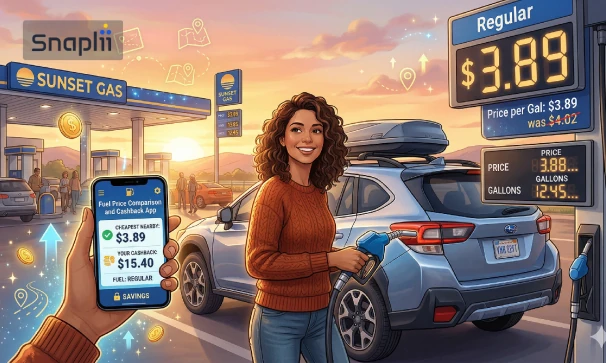
How Cashback Reward Systems Work in Practice
Cashback is one of the most straightforward rewards models. Here's the mechanics: when you make a purchase at a participating merchant, the platform or payment processor calculates a percentage of that transaction amount and credits it to your account.
The flow works like this. You link a payment method (credit card, debit card, or digital wallet) to the rewards platform. When you shop at a partner merchant, the platform tracks your purchase. A percentage of that purchase value is calculated based on the partnership agreement with that merchant. That amount is credited as cashback to your account.
Different platforms offer different cashback percentages. Some offer a flat rate across all purchases. Others offer tiered rates where certain categories earn higher percentages. For example, grocery shopping might earn 2%, while dining earns 3%, and travel purchases earn 5%.
The key advantage of cashback systems is simplicity. There's no point conversion rate to calculate. The money credited to your account represents actual cash value. From a merchant perspective, they pay commissions to the platform based on referred customers and sales volume, making the economics work for all parties.
Redemption is where platforms differ. Some allow you to transfer cashback directly to a bank account. Others issue cashback as gift cards, statement credits, or bonus rewards that can only be redeemed for specific items.
Understanding Points-Based Rewards Models
Points-based systems operate differently from cashback. Instead of earning a percentage of purchase value, you earn a fixed number of points per transaction, regardless of the purchase amount.
Here's how it works. When you make a qualifying purchase, the platform awards you points. These points accumulate in your account. The value of each point is determined by the platform. One point might equal one cent, five cents, or vary based on how you redeem it.
Points-based systems create flexibility for platforms. They can adjust earning rates without changing the dollar value of each point. They can offer bonus multipliers: earning double points on select merchants, triple points during promotional periods, or special point bonuses for completing specific actions.
The redemption options in points-based systems are typically broader than cashback alone. Points can convert to cashback, gift cards, travel vouchers, merchandise, donations to charity, or even entries into sweepstakes. This variety allows the platform to partner with diverse reward providers.
Points systems also enable tiered membership structures. Members who earn more points in a month can reach higher tier levels, unlocking exclusive benefits: higher earning multipliers, priority customer support, or access to premium reward options.
The drawback of points-based systems is the conversion rate uncertainty. When you earn points, the actual value you'll receive depends on how you redeem them. Redeeming for a popular gift card might deliver full value, but redeeming for obscure merchandise could deliver less value per point.
Affiliate Commissions and Rewards Programs Explained
Many rewards platforms operate on an affiliate commission model. Here's the core mechanism: merchants and brands pay the platform a commission when customers make purchases through the platform's portal or links.
The process looks like this. You visit a rewards platform and browse available merchants. You click through to a store or brand's website. Your click is tracked via a unique identifier. You make a purchase. The merchant reports the sale back to the rewards platform. The platform collects a commission (typically 5-20% of the sale value, depending on the merchant partnership). A portion of that commission is paid to you as a reward.
Affiliate-based models work best when customers have flexibility about when and where they shop. They reward the behavior of "choosing to shop through our platform rather than directly." This incentivizes platform adoption because customers are literally choosing the platform as an intermediary.
The advantage for platforms is that they only pay rewards when they earn commissions. There's no direct merchant relationship required. The platform aggregates hundreds or thousands of affiliate partnerships, giving users diverse shopping options.
The advantage for customers is potentially high earning rates. Some merchants offer affiliate commissions of 15-25%, and platforms might pass along 5-10% to the customer. This is higher than typical cashback.
The limitation is merchant availability. Not every store offers affiliate partnerships. Your favorite local boutique might not participate. Seasonal variation also matters: during holiday shopping, commission rates might increase, but during slow retail periods, they might drop.
Gift Card-Based Platform Advantages
Some rewards platforms focus specifically on gift card redemption as their core model. This structure works like points systems, but the endpoint is always a gift card.
Customers earn credits or points through purchases, activities, surveys, or referrals. Those credits accumulate toward gift card purchases at partner retailers and restaurants. When your balance reaches the minimum threshold, you can claim a gift card and use it at participating partners.
Gift card-based platforms thrive in the ecosystem because they solve a fundamental problem: merchants want to acquire new customers. By offering customers an incentive (a free gift card), the platform drives new traffic to partner merchants. If 30% of customers who receive a gift card return and shop again, the merchant profits overall.
The advantages are significant. First, gift card values are guaranteed. You know exactly what a $25 credit will buy. Second, the partner network can be large and practical. Customers already shop at many of the included retailers, so the rewards feel immediately usable. Third, platforms can offer bonus deals: sometimes a $25 credit might earn you a gift card worth $30 at a particular partner.
The different approach is that customers aren't "cashing out" their rewards into traditional bank accounts. Instead, they're converting accumulated value into purchasing power at preferred retailers. This is actually an advantage for customers who already spend at these retailers, because they get spending discounts masquerading as rewards.
The ecosystem also enables flexible earning. Customers can earn rewards not just through purchases, but through surveys, referrals, app usage, or completing specific tasks. This makes the platform accessible to non-shoppers or light shoppers who still want to earn.
How Snaplii Brings Transparency to Online Rewards
Snaplii operates as a rewards platform serving the North American market with partnerships across 500+ brands. The platform is headquartered in Canada and offers a straightforward approach to earning cashback on everyday purchases.
Here's how Snaplii works. You create an account and link your preferred payment method: credit cards, debit cards, WeChat Pay, or Alipay. When you make purchases at Snaplii's partner brands, your transaction is tracked. You earn Snaplii Cash at typical cashback rates of 5-12% depending on the merchant partnership. Your earned Snaplii Cash accumulates in your account.
Snaplii focuses on practical partnerships. Instead of niche retailers, the platform concentrates on widely-used brands where most customers already spend money. This means your rewards are earned on purchases you'd make anyway, not on aspirational shopping categories.
The earning potential is significant. At the median rate of 8% cashback, a household spending $200 monthly on groceries, gas, and household goods would earn approximately $19 monthly, or $228 annually, purely through existing shopping habits.
One important distinction about Snaplii: Snaplii Cash is designed specifically for future gift card purchases from partner retailers. This is different from platforms offering bank account transfers. Your earned Snaplii Cash accumulates without time limits, and when you're ready, you can redeem it for gift cards at the retailers where you shop. The platform never charges fees for this conversion.
Snaplii Rewards Platform FAQ
Q: How does Snaplii actually make money if it's paying me cashback?
A: Snaplii earns commissions from partner brands based on referred sales. When you make a purchase and earn cashback, Snaplii has received a commission from that merchant. A portion of that commission is credited to you as Snaplii Cash. The merchant benefits because they acquired a customer through the platform. Everyone wins in the ecosystem.
Q: Can I withdraw Snaplii Cash directly to my bank account?
A: No, Snaplii Cash is specifically for redeeming gift cards from partner retailers. This design keeps the platform economically viable while ensuring you receive the full value of your earnings without withdrawal fees. The gift cards are issued at full value, so you're not losing value in the redemption process.
Q: What happens to my Snaplii Cash if I don't use it?
A: Your Snaplii Cash balance remains available indefinitely. You can accumulate rewards without time limits and redeem them whenever you're ready. Unlike some platforms that remove points after 12 or 24 months, Snaplii doesn't implement time-based restrictions.
Q: How long does it take to see cashback credited?
A: Transactions typically process within 24-72 hours. The exact timing depends on the merchant's reporting to Snaplii and the payment method used. Once credited, the Snaplii Cash is available in your account for redemption.
Q: Is there a minimum balance to redeem gift cards?
A: Redemption minimums vary by partner retailer, but most are set at accessible levels ($25-$50 ranges). You can redeem multiple gift cards once you reach the threshold for your chosen partner.
Start Earning Rewards That Actually Add Up
The online rewards landscape has evolved dramatically. Cashback, points, affiliate commissions, and gift card models each serve different shopping behaviors and customer preferences. The best platform is the one aligned with where you already spend money.
If you shop consistently at a set of partner retailers, a gift card-based model like Snaplii maximizes your earning because every purchase counts toward rewards you'll actually redeem. The key is choosing a platform with transparent mechanics, no hidden fees, and a partner network matching your shopping habits.
The mathematics are simple. If you spend $300 monthly across categories where Snaplii offers partnership and average 7% cashback, you're earning $252 yearly. That's $252 the platform puts back into your pocket simply for shopping through it rather than directly.
Start by linking your payment methods to a platform. Make your next purchase and watch the cashback appear. Platforms make money easy because the economics are transparent: merchants want customers, customers want rewards, and the platform facilitates that exchange. You're not losing anything by joining. You're reclaiming what most shoppers leave behind.