
Where to Find Discount Vouchers That Work at Checkout
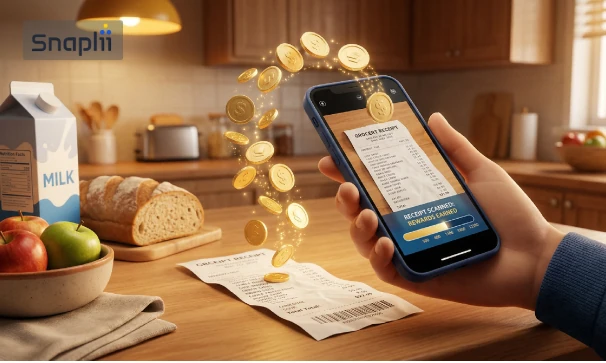
If you've ever entered a voucher code at checkout only to see an error message, you're not alone. Shoppers waste millions searching for discount codes that fail in real time. This guide reveals where to find legitimate vouchers, why most fail at checkout, and a more reliable way to save that actually works.
Preview: Your Complete Voucher Finding Guide
- The three main sources where discount vouchers live
- Why vouchers fail at checkout and how to verify them first
- Digital vs. paper vouchers: which actually deliver savings
- Browser extensions and apps: automated voucher hunting
- The shift toward cashback: why gift card rewards beat voucher codes
- A proven alternative when vouchers don't work
What Are Discount Vouchers and Coupons
Discount vouchers and coupon codes are promotional offers that reduce the price of products at checkout. They appear as alphanumeric codes (like SAVE20) that you paste into the payment screen, or as printable/digital coupons that apply automatically. The appeal is straightforward: real dollar savings on your purchase. The problem is equally straightforward: they rarely work as advertised.
The reason vouchers fail so often comes down to restrictions retailers build into the system. A code might be inactive, limited to new customers only, restricted to specific products, subject to minimum purchase amounts, or already used. Some codes won't stack with other offers. Some exclude certain items like gift cards or clearance products. Regional restrictions prevent use in your location. Browser cache issues and ad blockers can interfere with code validation. By the time you discover a code doesn't work, you've already spent time hunting for it.
Where to Find Legitimate Discount Vouchers
The three primary sources for discount vouchers are coupon aggregator websites, brand websites and email newsletters, and retailer promotions.
Coupon aggregator sites collect voucher codes from multiple brands and retailers in one searchable database. Popular options include coupon aggregator websites and dedicated savings platforms. These platforms claim to verify codes before listing them, though verification means testing if the code exists, not if it works for your specific cart. Search for your retailer by name, and you'll see available codes with user reviews and validity dates. The challenge is distinguishing between genuinely active codes and ones that have become inactive or hit usage limits. Even recently verified codes can fail at your checkout.
Brand websites and retailer email newsletters distribute codes directly to customers. Signing up for emails from stores you frequent gives you early access to promotions before they appear on aggregator sites. Brands often send exclusive codes to email subscribers, and some codes are truly one-time-use, so you won't find them elsewhere. However, this method only works if you already know which brands you want to shop, and it requires managing multiple email subscriptions.
Retailer websites and apps display in-store and online promotions prominently during seasonal sales events. Black Friday, Cyber Monday, and holiday shopping seasons bring the highest volume of active vouchers. Retailer loyalty programs also distribute exclusive codes to members. The limitation is that retailer promotions change frequently, making it difficult to track which codes are active across which stores.
How to Verify Vouchers Before Checkout
Before entering a code at checkout, take three verification steps. First, check the validity date listed on the coupon site. Many aggregators display dates, though some omit them to reduce liability. Second, read the fine print or eligibility section. Look for minimum purchase requirements, product exclusions, geographic restrictions, and whether the code is for new customers only. Third, check user comments on the coupon site. Recent comments saying "worked today" or "confirmed active" are more reliable than old listings without feedback.
A final pre-checkout step that most shoppers skip: add an ineligible item to your cart and apply the code before finalizing your order. This dummy test reveals whether you meet the code's requirements without committing to the purchase. If the code rejects on a test item, you'll know to try a different code rather than discover it fails after adding your real items.
Digital Vouchers vs. Paper Coupons
Digital vouchers appear in two formats: codes you paste at checkout, and coupons you load to a loyalty account before shopping. Digital codes offer convenience but require precise entry and are prone to technical failures. Digital coupons loaded to loyalty accounts apply automatically at checkout, bypassing many error points. Many retailers now issue only digital coupons for eco-friendly and fraud-prevention reasons.
Paper coupons printed from coupon websites or newspapers still exist but are becoming rare. You must print them, carry them, and present them at checkout or online. Retailers can easily verify the coupon barcode. Paper coupons eliminate typing errors and authentication issues. However, many retailers have discontinued paper coupon acceptance for online orders, and the environment and convenience factors have shifted preference toward digital formats.
The trend shows retailers moving toward digital coupons loaded to loyalty accounts because they eliminate intermediaries and reduce coupon fraud. However, this shift also means fewer codes available on third-party coupon sites, making voucher hunting increasingly difficult for shoppers.
Using Browser Extensions to Find Vouchers
Browser extensions designed for coupon hunting automate the voucher-hunting process. You install the extension, then when you add items to your cart and proceed to checkout, the tool automatically searches its database for active codes. If a code works, it applies automatically. If multiple codes are eligible, the extension typically shows which saves the most money.
The advantage is time savings and reduced typing errors. You browse normally, and the tool searches in the background without extra effort. The disadvantage is that automation is limited to participating retailers. Small stores and newer retailers often don't have codes indexed in extension databases. Extensions also require you to accept their privacy policies and terms, granting access to your shopping behavior and checkout data.
Extensions also cannot overcome fundamental code restrictions. If a code requires a minimum purchase of $100 and your cart is $85, the extension cannot force the code to work. If a code is truly inactive or hit its usage limit, the extension cannot reactivate it. The tool is only as good as its underlying code database, which lags behind real-time code validity.
Why Voucher Codes Fail at Checkout
Understanding why codes fail helps you choose better savings methods. The most common failure reasons are typing errors, where even one wrong character or hidden space makes the code invalid. Case sensitivity varies by retailer; some treat codes as case-sensitive while others don't. The copy-paste function sometimes includes invisible spaces before or after the code.
Eligibility restrictions cause the second wave of failures. A code might limit to new customers only, yet you've shopped there before. A code might exclude clearance items, and your cart includes sale products. A code might have a minimum purchase requirement you don't meet. Some retailers enforce one code per account per day or per year, meaning if you've used it once, you cannot use it again.
Limited validity periods are another major culprit. Voucher codes have short lifespans, sometimes only days or weeks. A code listed on a blog or coupon site might have been active when the post published but become inactive before you find it. Usage limits hit quickly during popular sales events; a limited-quantity code might be active for only a few hours.
Technical issues create a final set of failures. Browser cache (temporary storage) can serve outdated checkout pages that don't process current codes. Ad blockers sometimes interfere with the code validation process or store tracking systems that enable discount application. JavaScript errors in the checkout process can cause the code field to malfunction. Cookies set by your browser might prevent code stacking or multi-use scenarios.
The Shift Toward Cashback and Gift Card Rewards
As voucher codes become increasingly unreliable, savvy shoppers are shifting toward cashback programs and gift card rewards. Unlike voucher codes, cashback rewards don't depend on finding the right code, entering it correctly, or meeting invisible eligibility restrictions. You shop as normal, and a percentage of your purchase returns to you as cash or store credit.
Cashback also compounds across multiple purchases. Every transaction earns rewards, not just the ones where you happen to find an active code. With voucher codes, you might save 20 percent on one purchase but zero on the next five because no valid codes exist. With cashback, you save a consistent percentage on every shopping trip.
Cashback rewards are also independent of retailer restrictions. The cashback percentage doesn't care about minimum purchases, product categories, or new customer status. You earn the same reward rate whether you buy $50 or $500 worth of items. Voucher codes are designed to lose validity and restrict; cashback rewards are designed to accumulate and encourage repeat shopping.
How Snaplii Delivers Reliable Savings
Snaplii works differently than voucher codes. Instead of hunting for codes that may or may not work, you link your payment method to Snaplii and earn cashback at 500+ brand partners across North America. Earning between 5 to 12 percent typical cashback on purchases means real money in your account without the checkout hassle of codes.
Snaplii accepts debit and credit cards, WeChat Pay, and Alipay, so you choose your payment method. Your savings accumulate into Snaplii Cash, which you can spend on future gift card purchases from partner brands. The earnings remain available indefinitely, so you're not racing against time constraints like you would with time-limited codes.
The reliability difference matters. With voucher codes, you spend 30 minutes searching, enter a code, and it fails. With Snaplii, you shop normally through the app or website, and your savings post automatically. No codes to type. No error messages. No eligibility surprises at checkout.
FAQ: Discount Vouchers and Reliable Savings
Q: Is it worth spending time hunting for voucher codes?
A: Only if you find codes within five to ten minutes and verify they're active. Spending an hour searching for a 15 percent code, then discovering it doesn't work at checkout, wastes time with zero payoff. If you typically earn between 5 and 12 percent cashback automatically by using Snaplii, the math favors automatic rewards over manual code hunting.
Q: Can I combine voucher codes with other discounts?
A: Rarely. Most retailers prohibit code stacking, meaning you can apply either a voucher code or a sale discount, but not both. Some retailers allow stacking a code with a loyalty program discount, but even this is uncommon. Cashback rewards like Snaplii stack with any promotion because they're independent of the checkout process. You can use a voucher code and earn Snaplii cashback on the same purchase.
Q: Which browser extension finds the most working codes?
A: No extension is comprehensive. Honey covers major retailers. SimplyCodes uses crowdsourced verification. Capital One Shopping offers price comparisons alongside codes. Coupert claims 200,000 retailers but doesn't cover all. The best extension depends on where you shop. However, even the best extensions can only deliver what codes exist in their database. If no active codes exist for your retailer, no extension will find them.
Q: Why do retailers make voucher codes so complicated?
A: Retailers intentionally design restrictions to limit how many people redeem discounts and to segment customers by spending patterns. New customer codes attract acquisition. High minimum purchase requirements filter for high-value shoppers. Product category restrictions prevent discounting on already-profitable items. These restrictions are revenue optimization, not accident. Understanding this helps you see why cashback rewards avoid the problem: they're not restricted by design.
Q: Can I use Snaplii Cash to withdraw money to my bank account?
A: Snaplii Cash is designated for future gift card purchases with partner brands. You cannot withdraw the balance to your bank account. The intent is to keep earnings in the ecosystem to encourage repeat shopping. If direct bank withdrawal is your priority, direct-deposit cashback platforms or credit card rewards might better suit your needs. Snaplii is designed for shoppers who regularly purchase from North American retailers and want guaranteed savings without code hunting.
Start Shopping Without Voucher Stress
Discount vouchers promise savings, but the path from discovery to successful redemption is filled with obstacles. Inactive codes, eligibility mismatches, technical failures, and regional restrictions mean most shoppers' hunting efforts yield nothing. Even verified codes fail in real time, wasting your time at checkout.
The more reliable path forward doesn't involve codes at all. Snaplii cashback eliminates the search, the typing, the errors, and the disappointment. You shop normally and earn 5 to 12 percent typical cashback that accumulates toward future purchases. Your earnings remain available indefinitely, and they work at 500+ brand partners across North America with your preferred payment method.
Stop looking for vouchers that work. Start earning rewards that actually arrive at checkout.
Sources:
- SimplyCodes: Find Verified Coupons & Promo Codes
- The Krazy Coupon Lady: Free Coupons, Best Deals, & Promo Codes
- Coupons, Promo Codes and Cashback
- Why Promo Codes Don't Work and How to Fix Them
- Top 5 Reasons Promo Codes Fail (And How to Fix Them)
- 9 Browser Extensions for Easily Finding Coupons - NerdWallet
- Best Coupon Sites, Browser Extensions and Apps - U.S. News