
Why Switching to Digital Receipts Saves You More Than You Think
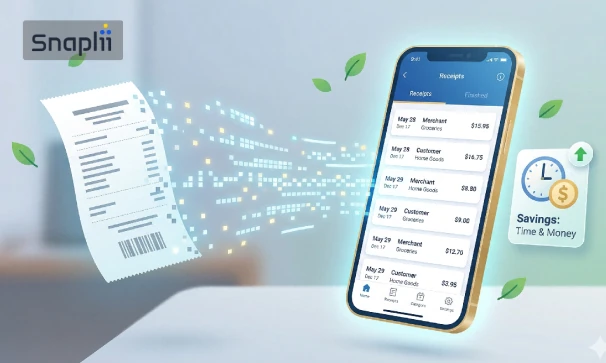
You're standing in a checkout line when the cashier hands you a paper receipt. You stuff it in your pocket, unsure if you'll ever see it again. Within weeks, the ink fades into illegibility. Within months, it's lost forever. This daily friction point affects millions of consumers, yet few realize just how much they're missing out on by sticking with paper.
Digital receipts represent a fundamental shift in how we document and manage our purchases. They're not just a convenience feature reserved for tech-forward shoppers anymore. They've become essential infrastructure for anyone serious about budgeting, tax compliance, returns management, and environmental responsibility. Let's explore why making the switch could transform your financial life.
1. The Environmental Footprint You Reduce
Paper receipts carry a hidden cost that extends far beyond the checkout counter. Approximately 10 million trees are cut down annually to produce receipt paper, a staggering figure that most consumers never contemplate. In the United Kingdom alone, 11.2 billion receipts are printed yearly, requiring significant natural resources to manufacture, transport, and ultimately discard.
The problem runs deeper than just deforestation. Most receipt paper is coated with chemicals to ensure durability and allow thermal printing. These chemical coatings make receipts non-recyclable, meaning they end up in landfills where they persist as environmental waste. By opting for digital receipts, you eliminate this entire waste stream from your personal consumption patterns.
Consumer demand reflects growing environmental awareness. Recent data shows that 67 percent of UK shoppers and 70 percent of French shoppers view automatic paper receipt printing as environmentally wasteful. Among younger demographics, the preference becomes even more pronounced, with 88 percent of French consumers aged 18 to 25 preferring digital alternatives.
2. Tax Documentation and Audit Protection
The Internal Revenue Service accepts digital receipts, including scanned copies, photographs, and receipts sent by email. You do not need to retain paper originals if your digital records are accurate, legible, and retrievable. This acceptance has been official policy since 1997 under IRS Rev. Proc. 97-22, providing a solid legal foundation for anyone managing business expenses or itemized deductions.
The real power of digital receipts emerges when you consider expense tracking over time. Without digital records, small purchases like office supplies, client meals, or business travel costs fade from memory and disappear from your deduction claims. Those forgotten expenses represent actual tax dollars unnecessarily paid.
The IRS typically audits records spanning at least three years, making organized digital storage essential for self-employed individuals, freelancers, and small business owners. Digital receipt systems allow you to categorize expenses instantly, generate summaries by category, and compile reports ready for your accountant or tax software. What once required hours of manual organization now takes minutes.
3. Simplified Returns and Warranty Claims
Returning a purchase becomes dramatically easier with digital proof of purchase. Physical receipts fade, tear, get lost in drawers, or suffer water damage. Digital receipts remain perfectly legible indefinitely, accessible across multiple devices, and searchable by date, merchant, or purchase amount.
When you need to process a return, you have immediate access to the exact transaction details. For gift card purchases, digital receipts provide clear documentation of value and purchase date, eliminating confusion and disputes. Warranty claims rely heavily on proof of purchase, and a time-stamped, permanently stored digital receipt eliminates the "I can't find my receipt" obstacle that frustrates both consumers and customer service teams.
The searchability factor alone transforms the return process. Rather than digging through drawers or filing cabinets, you find your receipt in seconds through text search, merchant filter, or date range. Returns that once involved frustrating phone calls now resolve quickly through self-service portals.
4. Real-Time Spending Awareness
Digital receipts provide immediate feedback on your purchasing behavior. The moment a transaction completes, you have a detailed record accessible through email, a digital wallet, or a receipts app. This real-time visibility creates powerful incentives for more intentional spending.
Unlike paper receipts that sit in pockets and drawers until forgotten, digital receipts maintain a searchable, organized history of every purchase. You can instantly see how much you've spent at particular merchants, identify patterns in discretionary spending, and track category totals. For anyone managing a budget, this transparency becomes invaluable.
The data itself becomes actionable. Digital receipt systems often integrate with budgeting apps, allowing automatic categorization and spending analysis. You no longer need to manually enter expenses into a spreadsheet. The receipts flow directly into your preferred financial management tool, creating a comprehensive picture of where your money goes.
5. Integration with Digital Budgeting Systems
Modern budgeting applications integrate seamlessly with digital receipt platforms, creating a closed-loop system for expense tracking. Rather than manually entering purchase details, your receipts sync automatically into your budget app, where software assigns categories and generates visualizations of your spending patterns.
This integration reveals insights that manual tracking never could. You discover your true spending in restaurants, groceries, entertainment, and utilities. You identify trending categories and unexpected expenses. You receive alerts when you approach budget limits. All of this emerges from reliable digital receipt data that requires no manual entry.
The time savings alone justify switching to digital receipts. Budget management that once consumed hours monthly now operates largely on autopilot, with receipts flowing automatically from merchants into your financial software.
6. Digital Gift Cards and Cashback Ecosystems
Digital gift cards represent a unique intersection of purchasing convenience and receipt organization. When you purchase a digital gift card through a digital payment platform, the transaction creates a permanent, trackable digital record. This record serves as proof of purchase, protection against fraud, and documentation for refunds or disputes.
In cashback ecosystems, digital receipts become even more valuable. Each purchase creates a timestamped, categorized record that links directly to your rewards program. You maintain clear documentation of which purchases earned cashback, what the original amounts were, and what credits you received. This transparency prevents disputes with cashback providers and simplifies tax documentation if the rewards are substantial.
Digital gift card receipts also clarify an important distinction for users. When you purchase a digital gift card to use for future purchases through a digital wallet or app, each subsequent purchase creates its own digital receipt. This layered receipt system provides complete traceability from the gift card purchase through to redemption, ensuring nothing falls through the cracks.
Snaplii: Digital Receipts and Instant Cashback in One Platform
The sections above explain what digital receipts can do in principle. The natural next question is where these benefits actually show up in one streamlined flow. A platform that combines digital gift card purchases with immediate cashback is a practical example of how receipt infrastructure, real-time spending data, and rewards tracking come together without any paper trail.
Snaplii is a digital gift card and instant cashback platform headquartered in Canada, serving the North American market. Unlike rewards programs that take days or weeks to clear, Snaplii credits cashback the moment a gift card is purchased inside the app.
How the Purchase Flow Works
Open the Snaplii app, choose from 500+ brand partners across categories like groceries, coffee shops, dining, fuel, and fashion, and select the gift card amount.
Payment options include debit cards, credit cards, WeChat Pay, and Alipay. The gift card lands in the Snaplii Wallet, and Snaplii Cash appears right away, typically in the 5-12% range depending on the brand and any active promotions.
Where the Digital Receipt Trail Lives
Every step of this flow creates a clean digital receipt. The gift card purchase is timestamped and stored inside the app, and the cashback credit is recorded as a separate line item.
Each redemption then generates its own traceable record, whether the card is used online by copying the card number and PIN, or in store by showing a QR code at checkout. The layered documentation discussed earlier happens without a single piece of paper.
What Snaplii Cash Is and Isn't
One important detail is worth understanding upfront. Snaplii Cash can only be used for future gift card purchases inside the app. It cannot be withdrawn to a bank account or converted into direct cash.
This structure is what makes the instant crediting model possible. Because Snaplii Cash carries no time restrictions, rewards can accumulate at their own pace and be redeemed whenever the right purchase comes along.
Taken together, each Snaplii transaction delivers both an instant cashback event and a permanent digital record, folding the environmental, budgeting, and documentation benefits covered earlier into one everyday workflow.
Frequently Asked Questions
Can the IRS really accept digital receipts for tax purposes?
Yes. The IRS officially accepts digital receipts, including photographs and scanned images, as valid proof of purchase and business expenses. You must ensure the digital record is clear, legible, and includes all relevant transaction details, but you don't need to maintain the physical paper original.
How long should I keep digital receipts?
The IRS recommends retaining records for at least three years, as that's the standard audit window. However, keeping longer records provides additional protection and helps establish spending patterns over multiple years for business or investment purposes.
Will digital receipts work for warranty and return claims?
Absolutely. Retailers and manufacturers accept digital receipts as proof of purchase for returns, exchanges, and warranty claims. Digital receipts often provide clearer, more durable documentation than faded paper receipts, making the claims process smoother.
How do digital receipts work with cashback programs?
Digital receipts integrate with cashback platforms by providing timestamped, categorized purchase records that the platform uses to calculate and verify rewards. Each transaction creates an immutable digital record, preventing disputes and clearly documenting which purchases earned cashback and when rewards were issued.
Are digital receipts secure and private?
Digital receipts stored in email, digital wallets, or dedicated receipt apps maintain the same security standards as other digital financial records. Use strong passwords, enable two-factor authentication, and avoid sharing receipts containing sensitive information with untrusted parties.
Make the Switch Today
The transition to digital receipts removes friction from multiple areas of your financial life simultaneously. You reduce your environmental impact, simplify tax preparation, accelerate warranty claims, gain spending visibility, and integrate seamlessly with budgeting tools. The case for switching is compelling and growing stronger.
Start by requesting digital receipts at your next purchase. Enable email receipts at online retailers. Explore digital wallet options that aggregate receipts automatically. Within weeks, you'll wonder how you ever managed finances with ephemeral paper slips. The shift toward digital receipts isn't just a trend. It's the foundation of modern, efficient, sustainable financial management.