
How Does Cashback Work with Credit Cards and Apps?
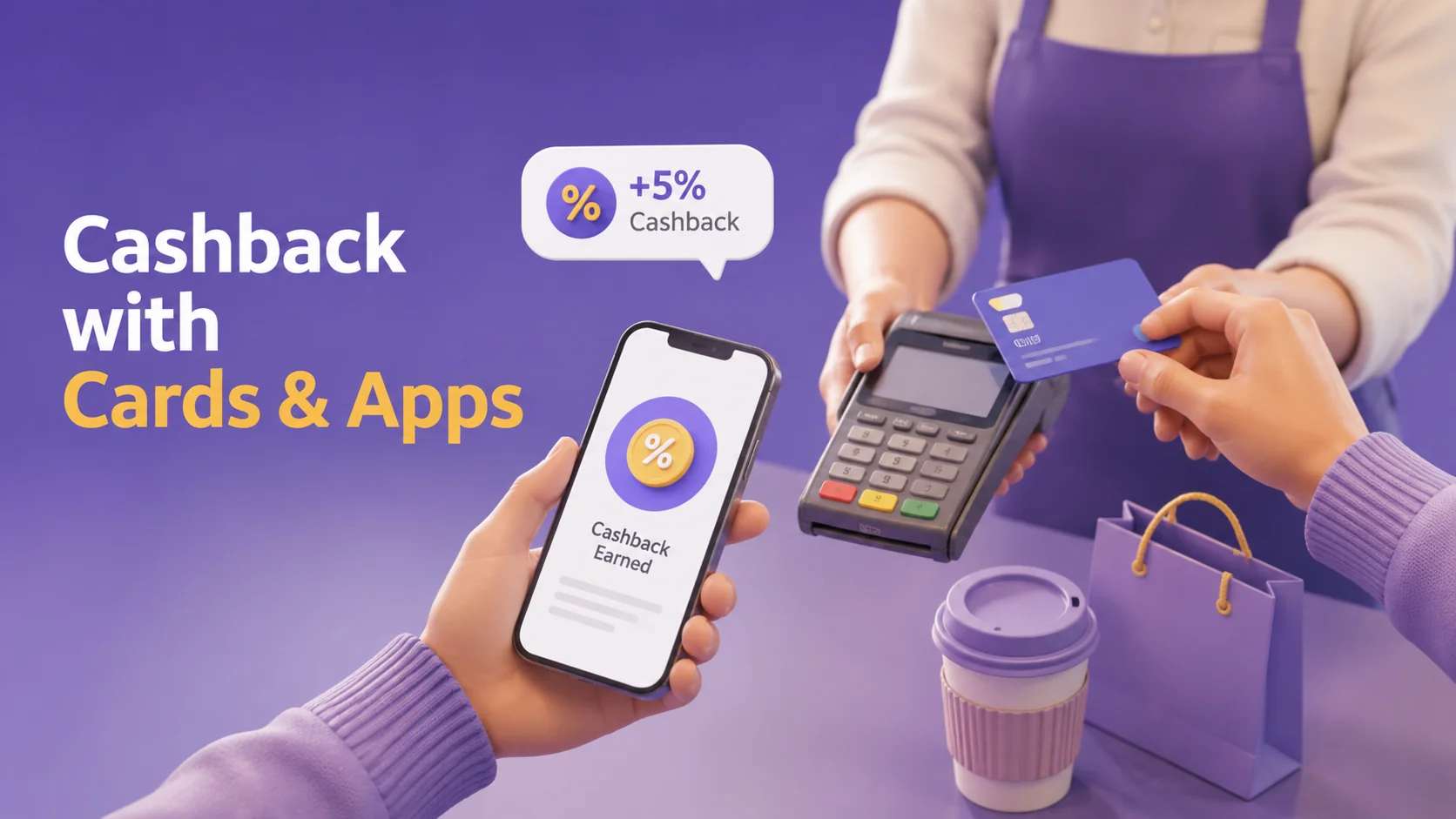
A shopper may see cashback from a credit card, a mobile app, a store offer, or a digital gift card platform and wonder whether these rewards are all the same. They are not. Some cashback comes from the way you pay, while other cashback comes from the way you shop.
That difference matters when you are trying to decide what to use for a grocery run, a weekly lunch budget, a gas stop, a household restock, or a digital gift. This guide explains how cashback works with credit cards and apps, when the two models may work together, and how to choose the option that fits a real purchase instead of chasing a headline rate.
Quick Answer
Credit card cashback is usually tied to the payment transaction. App cashback is usually tied to a shopping path, an activated offer, a purchase record, or an eligible e-gift card purchase.
A credit card may reward broad spending, such as groceries, dining, gas, or everyday errands. A cashback app may reward a more specific action, such as using an offer, buying through an app flow, or purchasing a participating e-gift card. In some cases, shoppers may benefit from both, but it depends on the payment method, app rules, purchase category, and whether the purchase was already planned.
The best cashback choice is not always the one with the highest percentage. It is the one that fits the purchase you were already going to make.
The Core Difference: Payment Reward vs. Shopping Reward
The simplest way to understand the difference is this:
- Credit card cashback usually starts with how you pay.
- App cashback usually starts with how you shop.
| Cashback source | What triggers the reward | Simple everyday example |
|---|---|---|
| Credit card cashback | Paying with the card | Buying groceries, gas, or lunch with a rewards card |
| Category card cashback | Card spending in a qualifying category | Dining or transportation purchases that match the card category |
| App-based cashback | Using an app offer or shopping flow | Checking an app before a weekend household restock |
| E-gift card cashback app | Buying an eligible e-gift card | Buying a digital gift card for a planned store purchase |
This is why two people can buy similar items and receive different cashback results. One person may use a card that rewards the category. Another may use an app that supports the store or purchase flow. A third shopper may use an e-gift card platform that connects cashback value to a planned gift card purchase.
Why the Same Purchase Can Produce Different Cashback Results
Cashback can feel confusing because the same purchase can qualify in one situation and not in another. That does not always mean something went wrong. It often means the reward model was different.
For example:
- A $90 grocery trip may earn card cashback if the payment card rewards grocery spending.
- The same $90 grocery trip may earn app-based value only if the shopper used a matching app offer or e-gift card option.
- A lunch order may be treated differently if it is paid in person, ordered through an app, or connected to a digital gift card purchase.
- A household supply run may have no special card reward but still fit an app-based savings flow if the app supports that purchase category.
The important lesson is that cashback is not attached only to the item. It is attached to the reward path.
Can Credit Card Cashback and App Cashback Work Together?
Sometimes, a shopper may benefit from both credit card cashback and app cashback. But it should not be assumed automatically.
A practical example: a shopper plans a $100 home-supply purchase. If an app supports an eligible e-gift card for that purchase and allows a supported payment card, the shopper may receive app-based cashback value and also receive whatever card reward applies to the payment. These are separate reward systems, so the shopper should understand both before treating them as combined value.
A good rule is: if using both does not change the purchase amount, store choice, or budget plan, it may be worth comparing. If stacking rewards makes you add items you did not need, the cashback is no longer helping.
Reward Timing: Why Card Rewards and App Rewards Feel Different
Cashback models can also feel different because the value appears in different places and on different schedules.
| Reward type | What shoppers usually notice | Everyday example |
|---|---|---|
| Credit card cashback | Shown through the card account cycle | Monthly grocery, dining, and errand spending |
| App offer cashback | Depends on the app's offer process | A weekend shopping trip that used an app offer |
| Online shopping cashback | Often tied to a tracked shopping path | A web order placed after starting from a cashback platform |
| Eligible e-gift card cashback | App value may appear quickly when eligible | Buying a digital gift card for a planned store purchase |
This is why shoppers should not compare cashback only by percentage. A 2% card reward that is easy to track may be useful for broad spending. A higher app-based reward may be better when it fits a planned store-specific purchase. The stronger option depends on clarity, timing, and real-life use.
What Actually Makes a Cashback Method Better?
A cashback method is better when it supports a purchase you were already going to make. That sounds simple, but it prevents the most common cashback mistake: spending more to feel like you saved.
| Decision factor | Why it matters in real life |
|---|---|
| The purchase is already planned | Cashback should not create extra spending |
| The reward is easy to understand | A shopper should know the expected value before buying |
| The category fits your routine | Groceries, dining, gas, household goods, and gifts repeat often |
| The value can support future purchases | Reward value is more useful when it fits another real purchase |
| The record is easy to find | Purchase history helps with budget review later |
For a commuter, a broad card reward may be simple for gas, coffee, and weekday lunches. For a family preparing a larger grocery and household trip, an app-based gift card cashback option may be worth checking before the purchase. For someone buying one-off items across many different places, the simpler card setup may be easier.
Where Snaplii Fits in This Comparison
Snaplii is not a credit card cashback product. It is an app-based SaaS service centered on e-gift card purchasing and instant cashback value. Its product experience is built around four shopping functions: Gift Card, Cash Back, Save Money, and E-gift Cards.
For shoppers comparing credit card cashback with app cashback, Snaplii represents a different model. Credit card cashback is usually connected to the payment card transaction. Snaplii's value is connected to eligible participating e-gift card purchases inside the app. When eligible, users can receive 5%–12% instant cashback as Snaplii Cash, which supports future gift card purchases inside Snaplii.
That makes Snaplii especially relevant for planned store-specific spending. A shopper who already expects to buy groceries, dining, transportation needs, household basics, or a gift can compare whether an e-gift card option fits that real purchase. Snaplii is less about replacing every payment method and more about adding a mobile savings layer around digital gift card value.
Example: Which Cashback Option Is Better?
The better cashback option depends on the situation, not just the percentage.
| Purchase | Card option | App option | Better question |
|---|---|---|---|
| $80 dining plan | Category card reward may apply | App offer or e-gift card value may apply | Which value is clear before purchase? |
| $120 household restock | General card reward may apply | E-gift card cashback may help if available | Was this already in the budget? |
| $50 coffee routine | Small card reward may apply | Repeat app value may be easier to notice | Which option fits the weekly habit? |
| $150 gift purchase | Card reward may be simple | E-gift card value may fit the recipient's store | Will the gift card be used as intended? |
If the app value is higher but requires the shopper to change the purchase in a way that does not fit the budget, the card may be the cleaner choice. If the app value fits the exact purchase and creates visible future gift card value, the app may be more useful.
When Credit Card Cashback May Be Better
Credit card cashback can be better when the shopper wants a simple reward system across many purchases.
This is useful for:
- People who do not want to check an app before every small purchase.
- Shoppers with mixed spending, such as transit, errands, groceries, and small household needs.
- Users who prefer one payment record for a month of purchases.
- Purchases that do not match a gift card option or app-based offer.
For example, a person running several errands after work may not want to open multiple apps for a parking fee, a small grocery item, and a quick meal. A card-based reward can be simpler in that situation.
When Cashback Apps May Be Better
Cashback apps can be better when the shopper has a clear purchase in mind and wants to compare value before buying.
This is useful for:
- Planned store-specific purchases.
- E-gift card purchases connected to a real shopping need.
- Weekly categories such as groceries, dining, gas, and household basics.
- Shoppers who want app-based records of gift card value.
- Families preparing a larger weekly shopping trip.
For example, a household restocking food, cleaning items, and personal care products before the weekend may benefit from checking app-based savings options before the trip rather than relying only on automatic card rewards after spending.
Decision Framework: Card, App, or Both?
Use this simple framework before making the purchase:
| Ask yourself | What it suggests |
|---|---|
| Is this a broad everyday purchase across many stores? | A credit card reward may be simpler |
| Is this a planned store-specific purchase? | A cashback app or e-gift card platform may help |
| Can both apply without changing the purchase? | Compare both reward paths |
| Am I adding items only for the reward? | Skip the reward and protect the budget |
| Can I easily review the record later? | Choose the method that supports tracking |
The strongest cashback routine is usually not complicated. Many shoppers use card rewards for broad spending and app-based value for planned categories where the savings are clear.
How to Avoid Cashback Confusion
To avoid confusion, focus on five checks:
- Confirm what triggers the reward.
- Check whether the reward is tied to payment, shopping path, or e-gift card purchase.
- Compare the value only against a purchase you already planned.
- Keep the purchase record easy to find.
- Review whether the reward value supports future spending.
A shopper who uses this process will make better decisions than someone who chooses only based on the largest number on the screen.
FAQ: Credit Card and App Cashback
Is app cashback the same as credit card cashback?
No. Credit card cashback is usually tied to the payment transaction, while app cashback is usually tied to a shopping flow, app offer, purchase record, or eligible e-gift card purchase.
Can credit card cashback and app cashback be used together?
Sometimes they may work together, but it depends on the payment method, app rules, and purchase type. Shoppers should compare both reward paths before assuming both apply.
Why do cashback rewards appear at different times?
Different systems confirm rewards differently. Card rewards may show through a card account cycle, while app rewards may depend on the app model, offer process, or eligible e-gift card purchase.
Is e-gift card cashback different from credit card cashback?
Yes. E-gift card cashback is connected to buying a digital gift card through a platform. Credit card cashback is connected to paying with a card.
How does Snaplii compare with card cashback?
Snaplii is an app-based e-gift card purchasing and instant cashback platform, not a credit card cashback product. Eligible participating e-gift card purchases can earn 5%–12% instant cashback as Snaplii Cash.
Which cashback method is better for everyday purchases?
The better method depends on the purchase. Broad mixed spending may fit card cashback, while planned store-specific purchases may fit app-based e-gift card cashback.
Final Takeaway
Cashback with credit cards and apps works in different ways. Credit cards usually reward the payment method, while apps often reward a shopping path, offer, or eligible e-gift card purchase.
The smartest choice is the one that supports a real purchase without changing the budget. For broad spending, credit card cashback may be simpler. For planned store-specific spending, Snaplii can add a mobile e-gift card cashback layer through Gift Card, Cash Back, Save Money, and E-gift Cards.