
Cashback Websites That Save Money Online
What You'll Learn
- How cashback websites differ fundamentally from apps
- The portal-based model and how it generates affiliate commissions
- Browser extensions and their role in cashback earnings
- Website user experience advantages over mobile platforms
- Why desktop shopping unlocks better cashback rates
- Snaplii's approach to simplifying cashback rewards
How Cashback Websites Differ From Apps
The most important distinction between cashback websites and mobile apps lies in their fundamental architecture and how users interact with them. While apps push notifications and encourage quick mobile purchases, websites operate on a portal-based model designed for deliberate, tracked shopping sessions.
Cashback websites function as intermediaries between you and retailers. You visit the website, search for a merchant you want to shop at, click through their portal link, and then complete your purchase on the retailer's site. The website's infrastructure tracks your transaction using cookies, ensuring the platform captures the referral credit from the merchant. This tracking mechanism is what enables the entire cashback system to function.
Mobile apps, by contrast, often use different earning mechanisms. Some apps focus on receipt scanning where you upload receipts after purchase rather than clicking through a portal. Others use direct integrations with retailers or payment networks. These approaches work differently than the portal model and often appeal to in-store shoppers rather than online buyers.
The user experience differs significantly too. Websites provide a bird's eye view of merchants, offers, and earning rates all on one screen. You can compare rates before shopping, plan your purchases strategically, and even stack promotional bonuses. Apps are optimized for quick transactions and push notifications, making them better suited for spontaneous purchases or specific shopping categories.
The Portal Based Model Explained
Understanding how cashback websites generate revenue directly explains why they can afford to share earnings with shoppers. The portal-based model relies on a simple but elegant economic relationship between three parties: the website platform, the retailers, and the shoppers.
Retailers face a constant challenge: acquiring customers profitably. Traditional advertising through search engines and social media has become expensive. When a customer makes a purchase through a cashback website's portal, the retailer recognizes this as a referral worth compensating. They establish affiliate relationships with cashback platforms and agree to pay a commission on each referred sale. These commissions typically range from one to twelve percent of the purchase value, depending on the product category and retailer.
The cashback website captures this commission and shares a substantial portion with the shopper who made the purchase. The website retains a smaller percentage to cover operating costs and generate profit. This creates a sustainable three-way benefit: retailers acquire profitable customers, shoppers earn rewards, and the platform remains viable as a business.
The technical infrastructure supporting this model requires sophisticated cookie tracking. When you click through the portal link, the website places a cookie on your browser identifying you as that referral source. As you browse the retailer's site and complete your purchase, the cookie persists, allowing the retailer's system to confirm the referral and pay the commission. Affiliate networks verify transactions and handle the financial settlements between merchants and cashback platforms.
This portal system works exclusively for online shopping because it depends on digital tracking through affiliate networks. In-store purchases, by contrast, require different technology like receipt scanning or linked loyalty cards to verify the transaction and assign the reward.
Browser Extensions and Automatic Tracking
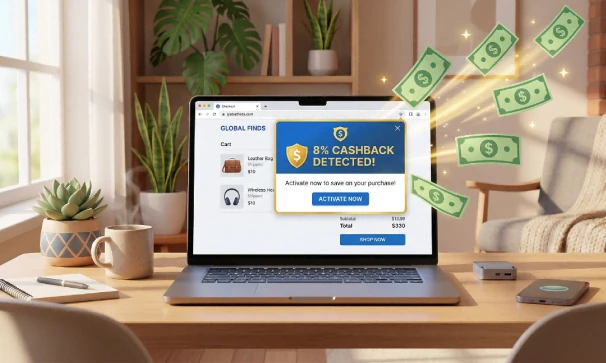
Many cashback websites now offer browser extensions that automate the portal-clicking process. Instead of manually visiting the cashback website and clicking through each time, you install an extension that monitors your browsing. When you navigate directly to a merchant that has a cashback offer, the extension alerts you and can automatically apply the portal tracking.
This convenience feature represents an evolution of the portal-based model rather than a departure from it. The extension still routes your transaction through the affiliate network, capturing the commission and tracking your purchase. It simply eliminates a step that some shoppers found inconvenient.
Browser extensions democratize cashback earning for users who forget to visit the portal before shopping. They're particularly valuable for spontaneous purchases or merchants you don't shop at regularly. However, the core mechanism remains the same: affiliate commission tracking through the portal infrastructure.
Website User Experience Advantages
Desktop and web-based shopping experiences offer distinct advantages for cashback earning compared to mobile app alternatives. A full website interface displays merchant listings, current offers, bonus promotions, and exact cashback percentages all simultaneously. You can open multiple retailer pages in separate tabs, compare prices, check current promotions, and evaluate whether this is the optimal time to make a purchase.
This comprehensive visibility enables strategic shopping. Some cashback websites advertise limited time double or triple cashback bonuses on specific retailers. You can plan your purchases around these promotional windows, potentially doubling your savings. On a mobile app, discovering and capitalizing on these opportunities proves more difficult because the interface shows less information at once.
Website platforms also typically feature robust search functionality and merchant directories that are more accessible than mobile versions. You can filter retailers by category, sort by cashback rate, and review terms before clicking through. This deliberate shopping approach helps you avoid impulse purchases and make more informed decisions.
Additionally, desktop browsing is more reliable for cookie tracking than mobile. Mobile browsers sometimes handle cookies differently, and switching between apps can interrupt tracking. When you shop on a website using a desktop browser, the entire session occurs within the same browser window, ensuring the tracking cookie remains active throughout your shopping session.
Why Desktop Shopping Unlocks Better Rates
Several factors combine to make desktop shopping more advantageous for cashback earning than mobile shopping. First, the cookie tracking technology underlying portal-based cashback works more reliably on desktop browsers. When your entire shopping experience occurs within a single browser window, from the initial portal click through purchase completion, the affiliate tracking performs optimally.
Second, retailers often provide better commission rates to portal traffic referred from desktop sources. This reflects a long established relationship between affiliate networks and e commerce platforms that prioritized desktop affiliate marketing. While mobile referrals are increasingly common, the highest commission structures often default to web based traffic.
Third, desktop shopping sessions tend to result in higher average order values. When you can see full product catalogs, reviews, specifications, and comparison tools on a larger screen, you're more likely to add more items to your cart and make considered purchases. Retailers compensate affiliate partners more generously for traffic that converts at higher values.
Finally, certain promotional offers and exclusive deals are frequently limited to web based shopping portals. Retailers sometimes restrict their highest cashback bonuses to users accessing through desktop websites, treating mobile as a secondary channel.
How Affiliate Commissions Fund Your Cashback
The business model underlying cashback websites creates a virtuous cycle where your rewards come directly from affiliate commissions retailers willingly pay. This funding structure is fundamentally different from credit card rewards, which banks subsidize by building costs into their business models.
When retailers pay affiliate commissions, they're acquiring customers at a measurable cost. If a retailer pays a ten percent commission on a one hundred dollar purchase, they're spending ten dollars to acquire a customer. Many retailers consider this investment worthwhile because they either retain the customer for repeat purchases or achieve a profit margin exceeding the commission cost.
Cashback websites operate transparently within this affiliate ecosystem. They don't extract value from credit card networks, purchase data, or customer targeting. The earning potential for shoppers expands directly with the retailer's willingness to pay commissions. Retailers with high profit margins and high customer lifetime value can afford generous affiliate commissions, which translates to higher cashback rates for you.
This funding model also explains why cashback rates vary dramatically across product categories. Electronics retailers might offer one to three percent cashback because their profit margins are thin. Luxury retailers or subscription services might offer fifteen to forty percent cashback because their business models support higher customer acquisition costs.
Understanding that your cashback earnings come from retailers' marketing budgets helps explain both the consistency and the variability of rates across the cashback website ecosystem.
How Snaplii Simplifies Your Cashback Journey
Snaplii operates as a cashback platform serving the North American market with a straightforward approach to simplifying rewards. With over 500 brand partners, Snaplii offers typical cashback rates between five and twelve percent, competitive with leading cashback websites while focusing on transparent, hassle free earning.
The platform supports multiple payment methods including WeChat Pay, Alipay, debit cards, and credit cards, making it accessible to diverse shopper preferences. Rather than complicating your financial life, Snaplii integrates with how you already prefer to pay.
One distinctive feature of Snaplii's approach is its Snaplii Cash rewards system. Unlike traditional cashback that processes as a direct bank transfer, Snaplii Cash accumulates and can be applied toward future gift card purchases. This mechanism streamlines reward distribution while ensuring your earnings remain available whenever you shop. Snaplii Cash has no time limit, giving you complete flexibility to use accumulated rewards on your timeline.
Snaplii FAQs About Cashback Websites
How much cashback can I typically earn at Snaplii? Snaplii offers five to twelve percent typical cashback rates across its 500+ brand partners. Your actual earnings depend on which retailers you shop at, as rates vary by merchant. The platform clearly displays rates before you shop, so you know exactly what you'll earn.
How does Snaplii Cash differ from traditional cashback payouts? Snaplii Cash cannot be withdrawn directly to a bank account; instead, it accumulates in your account and can be redeemed toward future gift card purchases. This approach simplifies accounting while ensuring your rewards remain accessible. Snaplii Cash has no time limit, so you can use rewards whenever convenient.
Does Snaplii work through a browser extension or a website portal? Snaplii functions as a cashback portal and website platform where you can browse merchants, see current rates, and click through to shop. This portal based approach ensures reliable affiliate commission tracking for your purchases.
Which payment methods does Snaplii accept? Snaplii accommodates multiple payment preferences including WeChat Pay, Alipay, debit cards, and credit cards. This flexibility makes the platform accessible regardless of your preferred payment method.
Can I lose my Snaplii Cash rewards if I don't use them? No. Snaplii Cash has no time limit. Unlike some rewards programs that impose deadlines, your accumulated Snaplii Cash remains available indefinitely until you choose to redeem it toward gift card purchases.
Maximizing Your Cashback Website Strategy
Effective cashback earning requires understanding how different websites fit into your shopping habits. The portal based model works best when you plan purchases strategically, monitor promotional offers, and shop through desktop browsers when possible. Browser extensions enhance convenience without compromising the underlying tracking mechanism.
Diversifying across multiple cashback platforms lets you capitalize on different retailer partnerships and promotional opportunities. Some websites specialize in travel rewards, others in grocery shopping, still others in electronics. Developing a strategy that matches your shopping categories to platforms offering the highest rates amplifies your total savings.
The affiliate commission model underlying cashback websites means rates fluctuate based on retailer demand for customer acquisition. Shopping during promotional periods when cashback rates spike, particularly around seasonal sales events, significantly increases your earnings. These bonuses often double or triple standard rates, rewarding strategic shopping timing.
Remember that cashback earning works best as a passive benefit that enhances your existing shopping rather than an incentive to purchase items you wouldn't otherwise buy. The goal is converting purchases you'd make anyway into opportunities for savings.
Sources
Cashback Comparison - Latest, Accurate, 33 Shopping Portals
Best Cashback Websites Compared: Top 10 Picks for 2026 – Savings Grove
Best Cash Back Shopping Bonuses: Rakuten, TopCashback, RebatesMe, More
How Do Cashback Sites Make Money? Revenue Model Explained