
Cashback Debit Card: A Practical Guide for North American Shoppers
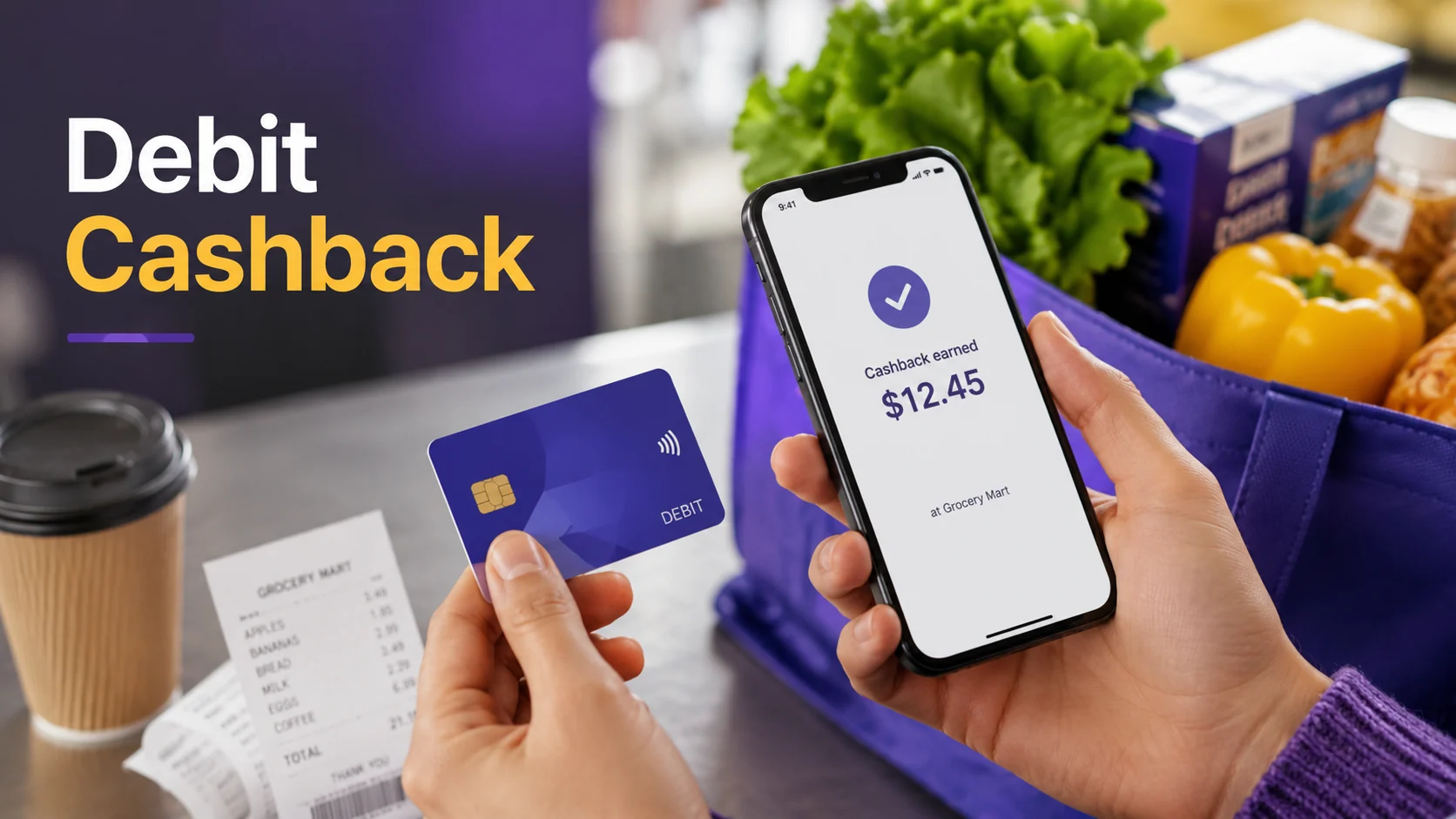
A cashback debit card can appeal to shoppers who want rewards while spending from available funds. It feels closer to everyday cash flow than a credit card, which can make it attractive for students, newcomers, budget-conscious households, and people who prefer not to rely on credit.
But debit cashback is still a payment-based reward. It is different from app-based cashback, which may reward a shopping path, offer, or eligible e-gift card purchase. The best option depends on whether the shopper wants simple payment rewards or more planned category-based value.
Quick Answer
A cashback debit card rewards eligible debit purchases, usually from money already available in the user’s account. It can be useful for everyday spending and simple budgeting, but it is not the same as a cashback credit card or cashback app.
Debit cashback rewards the payment method. App-based cashback may reward a planned shopping action, a digital gift card purchase, or a category-specific offer. For North American shoppers, the strongest approach is often to use debit for payment control and app-based cashback for purchases that are already planned.
Why Debit Cashback Appeals to Budget-Conscious Shoppers
Many shoppers use debit for groceries, gas, transit, dining, and small errands because it feels immediate. The money comes from available funds, which can make spending feel easier to manage. For a student managing weekly food costs or a newcomer building a first financial routine, that control can be more important than chasing the highest possible reward.
A cashback debit card adds reward value to a payment style the shopper may already prefer. The appeal is not only cashback. It is cashback without changing the shopper’s comfort level around credit.
This is why debit cashback can work well for routine purchases: weekly groceries, a coffee stop, a gas fill-up, or small household items. It fits spending that already happens and does not require the user to take on credit.
Cashback Debit Card vs. Cashback Credit Card
Debit and credit cashback can look similar on the surface, but the budgeting experience is different.
| Feature | Cashback debit card | Cashback credit card |
|---|---|---|
| Spending source | Available account funds | Credit line |
| Budgeting feel | Closer to daily cash flow | Requires repayment discipline |
| Reward trigger | Debit transaction | Credit card transaction |
| Strong fit | Debit-first shoppers | Credit-comfortable shoppers |
A cashback credit card may offer broader reward structures, but it also requires the user to manage repayment carefully. A cashback debit card may feel simpler for someone who wants rewards without changing their payment behavior.
The better choice depends on the shopper’s habits. A person who already pays off credit cards comfortably may prefer credit rewards. A shopper who wants tighter cash-flow control may prefer debit.
Cashback Debit Card vs. Cashback App
A debit card rewards the payment. A cashback app may reward the shopping path.
| Feature | Debit cashback | App-based cashback |
|---|---|---|
| Reward trigger | Debit transaction | App offer, shopping flow, or eligible e-gift card purchase |
| Best for | Everyday payments | Planned categories |
| Example | Grocery debit purchase | E-gift card cashback before a planned shop |
| Record | Bank or card account | App purchase history |
| User behavior | Pay as usual | Check value before purchase |
This difference matters. A debit card is useful when the shopper wants to pay normally. A cashback app is useful when the shopper knows the category, store, or gift purpose before buying.
For example, a debit card may work well for a mixed errand run. An app-based e-gift card cashback option may be worth checking before a planned grocery trip, dining budget, transportation purchase, or digital gift.
Local Spending Scenarios
A student managing weekly food spending may prefer debit because it keeps spending closer to available funds. If that student also plans a dining purchase or grocery run, app-based cashback can be considered before spending.
A newcomer building a financial routine may rely on debit at first because it feels straightforward. Later, the same shopper may compare app-based savings tools for planned purchases without changing core banking habits.
A family using debit for groceries may appreciate the simplicity of paying from available funds. But if the family already knows the weekly grocery or household amount, an app-based e-gift card option may add value when a participating category fits.
Where Debit Cashback Can Fall Short
Debit cashback may be simple, but it can be less flexible than other reward models. Some debit rewards may be modest, category coverage can vary, and the value may not be visible before the shopper pays.
Debit cashback also may not help much with gift card planning or store-specific spending. If a shopper already knows they are buying a gift card, preparing a household restock, or planning a specific dining purchase, an app-based cashback path may be easier to compare before spending.
The key question is whether the shopper needs a payment reward or a purchase-planning tool.
Where Snaplii Fits
Snaplii is not a debit card or bank account product. It is an app-based SaaS service centered on e-gift card purchasing and instant cashback value. For debit-first shoppers, Snaplii can work as a separate mobile savings layer when a planned purchase fits a participating e-gift card category.
Its modules focus on Gift Card, Cash Back, Save Money, and E-gift Cards. For eligible participating e-gift card purchases, users can receive 5%–12% instant cashback as Snaplii Cash.
In this context, Snaplii does not replace debit. Instead, it can complement a debit-first routine. A shopper may still prefer debit for everyday payment control while using Snaplii to compare e-gift card cashback value for planned categories such as groceries, dining, transportation, household needs, wellness, or gifting.
Example: Debit Cashback vs. App-Based Cashback
| Planned purchase | Debit cashback view | App-based cashback view |
|---|---|---|
| Weekly groceries | Pay from available funds and earn any debit reward | Check if e-gift card value fits the planned amount |
| Dining budget | Use debit for payment control | Use app value if dining is already planned |
| Gift purchase | Simple payment from available funds | Digital gift card record plus cashback value |
| Household restock | Debit keeps the payment simple | App-based value may help if the category is supported |
The better option is not always the highest reward. It is the one that supports the purchase without making the shopper spend more.
When Debit Cashback Is Better
Debit cashback is useful when the shopper wants simple payment and does not want to manage credit. It can work well for small errands, everyday food purchases, transportation, and routine spending that changes week by week.
It may also feel better for someone who wants fewer financial moving parts. A debit-first shopper may prefer one account, one payment method, and a reward that does not require credit management.
When App-Based Cashback Is Better
App-based cashback is useful when the shopper already knows the category, amount, or gift purpose before buying. That is where e-gift card cashback can support a planned purchase rather than a random transaction.
For example, a shopper planning a $100 household purchase can compare app-based gift card value before spending. A debit card may still be used as part of the payment routine if supported, but the cashback logic comes from the app-based purchase path.
Can Debit Users Still Use Cashback Apps?
Yes. Debit-first shoppers can still use cashback apps if the app’s purchase flow and payment rules fit their needs. The important point is that debit and app-based cashback are different systems. One rewards the payment method; the other may reward a shopping path, offer, or eligible e-gift card purchase.
A smart routine might use debit for broad everyday payment and app-based cashback for planned purchases where the value is clear.
FAQ: Cashback Debit Cards
What is a cashback debit card?
A cashback debit card rewards eligible debit purchases, usually from funds already available in the user’s account.
Is debit card cashback worth it?
It can be worth it when the shopper already prefers debit and the reward supports normal spending. It is less useful if it encourages extra purchases.
Is cashback debit better than credit card cashback?
Not always. Debit cashback may feel better for cash-flow control, while credit card cashback may offer broader reward structures for users comfortable managing credit.
How is debit cashback different from app cashback?
Debit cashback rewards the payment transaction. App cashback may reward a shopping path, offer, or eligible e-gift card purchase.
Can debit card users still use cashback apps?
Yes. Debit users can use cashback apps when the app flow fits a planned purchase and the payment method is supported.
How is Snaplii different from a cashback debit card?
Snaplii is not a debit card. It is an app-based e-gift card purchasing and instant cashback platform with Gift Card, Cash Back, Save Money, and E-gift Cards modules.
Final Takeaway
A cashback debit card can be useful for shoppers who want rewards while staying close to available funds. It is especially practical for debit-first budgeting, everyday purchases, and people who prefer not to rely on credit.
For planned category-based purchases, Snaplii can serve as a separate app-based savings layer focused on e-gift card value, cashback, and mobile purchase records.