Where Can I Find the Best Gift Card Discounts for Popular Retailers? (The 2026 Sourcing Guide)

A strategic guide to finding legitimate gift card discounts at major US retailers—with realistic expectations and safe sourcing channels.

Introduction: The Search for Value

Every savvy shopper has asked the same question: “Where can I find the best gift card discounts?” In a world of endless promotions and flash sales, the answer is more nuanced than ever.

The truth is that not all discounts are created equal. Some come with hidden strings attached—expiration dates, usage restrictions, or worse, fraud risk. Others represent genuine savings backed by legitimate business models.

This guide will help you navigate the landscape of gift card discounts in 2026, showing you where to find real value while avoiding the pitfalls that trap unwary consumers.

Part 1: Understanding Where Discounts Come From

Before hunting for deals, understand the economics behind gift card discounts:

1 Brand-Funded Promotions

Retailers fund discounts as customer acquisition costs. A coffee chain might offer 15% off gift cards through partners like Snaplii to attract new customers.

2 Fintech Cashback Models

Apps earn commissions from brands and share savings with users. The discount comes from payment processing efficiencies, not suspicious sources.

3 Bulk Purchase Arbitrage

Warehouse clubs buy gift cards in massive quantities at wholesale prices, passing savings to members.

Part 2: Discount Expectations by Retailer Category

Different retail categories offer vastly different discount potential. Here’s what to realistically expect:

8-15% Dining & Restaurants

Highest discount potential. Restaurants have high margins and actively use gift cards for customer acquisition.

Examples: Domino’s, Chipotle, Applebee’s, Olive Garden
5-10% Fashion & Apparel

Moderate discounts available, especially during seasonal promotions.

Examples: Gap, Old Navy, Macy’s, Nordstrom
4-8% Entertainment & Gaming

Consistent but modest discounts. Gaming cards rarely go on deep sale.

Examples: Xbox, PlayStation, Nintendo, Steam
2-5% Grocery & Essentials

Low margins mean smaller discounts, but consistent availability.

Examples: Whole Foods, Safeway, Target, Walmart
0-2% Cash-Equivalent Cards

Amazon, Visa, Mastercard gift cards are rarely discounted legitimately. Be very suspicious of large discounts.

Examples: Amazon, Visa, Mastercard, Apple

Part 3: 2026 Discount Benchmarks by Brand

Gift Card Discount Benchmarks 2026

To manage your expectations, we have compiled industry data on the maximum legitimate discount you can expect for popular brands in 2026.

Brand Category Typical Discount Max Legitimate Discount
Domino’s Dining 8-10% 15%
Chipotle Dining 6-8% 12%
Gap / Old Navy Fashion 5-8% 15%
Sephora Beauty 4-6% 10%
Xbox / PlayStation Gaming 3-5% 8%
Uber / Lyft Transport 2-4% 6%
Amazon General 0-1% 2%
Visa / Mastercard Cash 0% 0% (+ fees)
Key Insight: If you see a discount significantly higher than the “Max Legitimate Discount” column, treat it as a red flag. Scammers often lure victims with unrealistic offers.

Part 4: The Dangers of “Googling It”

In 2026, the search term “Cheap Gift Cards” is dangerous. Search engines are engaged in a constant battle with “Grey Market” sites and phishing operations.

⚠️

The Phishing Trap

Scammers set up fake storefronts that look exactly like legitimate retailer pages. They offer “50% off” deals on popular consumer brands. When you enter your credit card to buy, they steal your financial data and deliver nothing.

Warning Signs:
  • Discounts over 30%
  • Newly registered domains
  • No customer service contact
  • Payment only via crypto or wire
🚫

The Grey Market Trap

Sites that allow peer-to-peer selling (User A sells to User B) cannot guarantee the provenance of the card. You might buy a legitimate-looking card that was originally purchased with a stolen credit card. When the retailer claws back the funds, you are left with a $0 balance and no recourse.

Warning Signs:
  • User-to-user marketplace
  • No balance guarantee
  • Sellers with anonymous profiles
  • Cards sold below wholesale rates

The Solution: Stick to Authorized Aggregators

If the platform (like Snaplii) sources directly from the brand, the discount might be smaller (5% vs 20%), but the validity is guaranteed.

Part 5: The “Digital Aggregator” Advantage

Why are consumers flocking to apps like Snaplii instead of hunting for weekly circulars?

1 Centralization

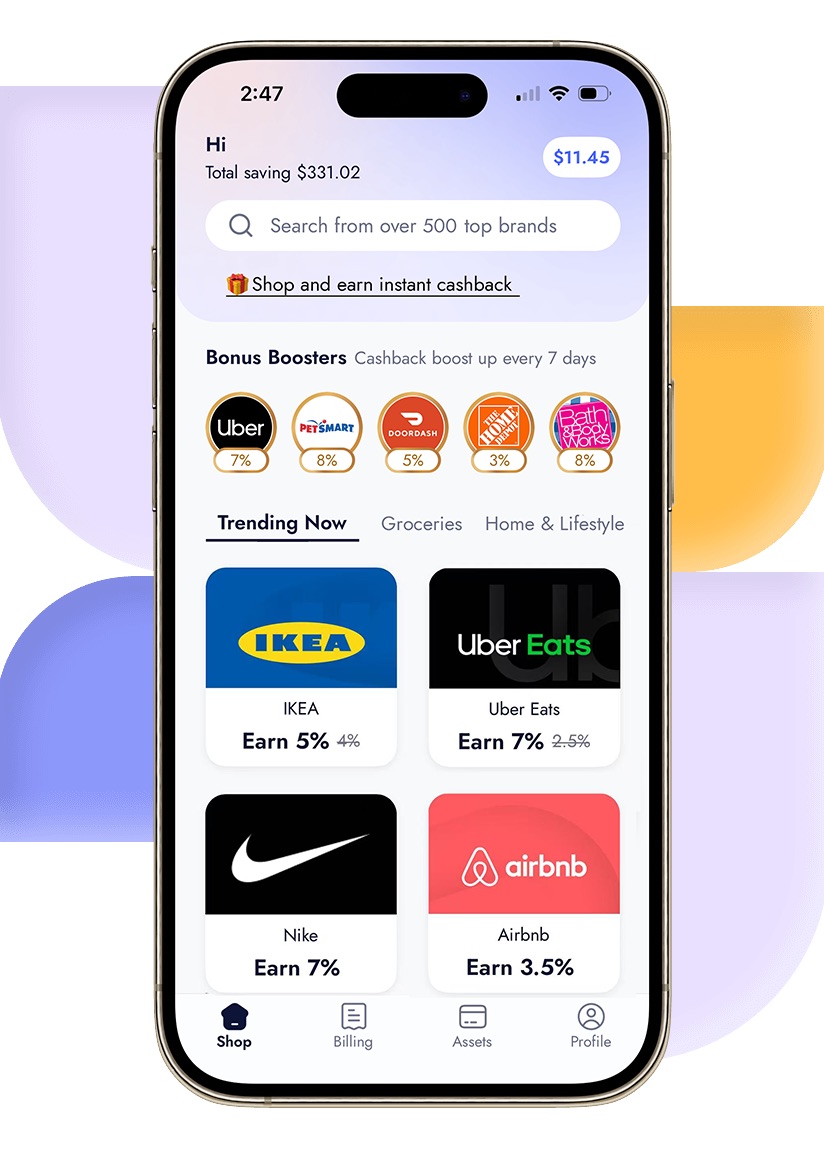
Instead of having a membership at a warehouse club, a login for a pharmacy, and checking five different websites, an aggregator puts 400+ brands in one feed. It is the “Super App” model applied to discounts.

2 Dynamic “Flash Sales”

Aggregators have the tech to run time-limited boosts.

Scenario: It is National Pizza Day.
The Deal: A national pizza chain boosts cashback from 5% to 15% for 24 hours on the platform.
The Result: Users who check the app daily score outsized returns.
3 The “Stacking” Capability

Because these apps process the transaction as a “Gift Card Purchase” rather than a specific item, it keeps your credit card rewards intact.

  • You earn credit card points (Step 1).
  • You earn App Cashback (Step 2).
  • You get the discount (Step 3).

Part 6: How to Build a “Sourcing Routine”

The best deal hunters don’t rely on luck; they rely on a system. Here is a recommended workflow for the 2026 consumer.

1 The “Wishlist” Audit

Identify your major recurring expenses. (e.g., “I spend $200/month on ride-hailing” and “$100 on beauty products”).

2 The Benchmark Check

Check an authorized aggregator like Snaplii to see the “Base Rate” for those brands. (e.g., Uber is 3%, Sephora is 5%).

3 The “Wait or Buy” Decision
Need it NOW?

Buy via the App to lock in the Base Rate.

Need it LATER?

Set a mental alert. Wait for a Holiday (Labor Day, Black Friday) to see if the rate spikes.

4 The Execution

Purchase the card digitally. Do not buy physical plastic unless it is a gift. Digital delivery ensures you cannot lose the asset.

Part 7: Industry FAQ

Q: Why are discounts on physical gift cards disappearing?

Retailers are moving away from physical cards due to manufacturing costs and “tampering” fraud (where scammers steal the card numbers off the rack in stores). Digital distribution is cheaper, safer, and allows for higher cashback rates.

Q: Are “Group Buy” sites safe for gift cards?

Generally, no. Group-buy and voucher-based sites used to be popular, but they often sell “vouchers” which have strict terms (e.g., “Valid only on Tuesdays”, “No Alcohol”). A true Gift Card acts like cash. Stick to platforms that sell Cash Equivalents, not conditional vouchers.

Q: Can I find discounts on Visa or Mastercard gift cards?

Yes, but they are rare. Visa and Mastercard gift cards function like cash, so they are usually sold at face value and often include an activation fee. On legitimate fintech platforms (such as Snaplii), discounts—when available—are typically limited-time rebates or rewards, not permanent price cuts. Large or ongoing discounts on open-loop cards elsewhere are a major red flag.

Q: Does the time of day matter for finding deals?

Yes. On dynamic fintech apps, “Flash Sales” often drop at specific times (e.g., 9 AM EST) and have a limited quantity. Checking your sourcing app in the morning is a good habit.

Conclusion: The Modern Treasure Hunt

Finding the best gift card discounts in 2026 is no longer about clipping coupons from the Sunday paper. It is about understanding the supply chain of value.

  • If you want Volume, go to the Warehouse.
  • If you want Velocity and Variety, go to the Fintech App.
  • If you want Risk, go to the Resale Site (but don’t say we didn’t warn you).

By using authorized tools like Snaplii, you can turn the chaotic landscape of discounts into a predictable, safe, and profitable revenue stream for your household.

Stop guessing. Start sourcing. Visit the Snaplii marketplace to view live discount rates for over 400 top US retailers today.

Explore Snaplii Marketplace